63% of US Consumers Now Buy Direct From Brands: Here's What That Means for Your Checkout
Shopify reports a major shift in how Americans shop. Direct-to-consumer sales are climbing, and your checkout experience is where you'll win or lose them.
WebKing Intelligence Desk//Monitored live
Get my free auditFree, 30 minutes, no pitch deck. You keep the findings either way.
The way Americans shop has shifted. According to Shopify's latest research, 63% of US consumers have purchased directly from a brand's own storefront. That's not a niche anymore. That's where the market is moving.
If you're still thinking of direct-to-consumer sales as a side channel, you're leaving money on the table. The infrastructure that used to be optional, unified inventory, localized storefronts, flexible checkout, is now what customers expect.
The Inventory Problem Gets Real When You Scale
Here's the friction point most owners hit first: you're selling online and in a physical location, and your inventory gets out of sync. A customer orders your best-seller online at 2 p.m., but you've already sold the last unit in-store at 1:45 p.m. You have to refund them or make them wait. They buy from someone else instead.
Shopify's approach here is to collapse that problem. Tools like Shopify Markets and point-of-sale systems let you manage inventory, orders, and retail locations from a single dashboard. Stock counts update in real time across channels. Your storefront shows what you actually have. No overselling. No angry customers. No refunds you didn't plan for.
Checkout Flexibility Converts
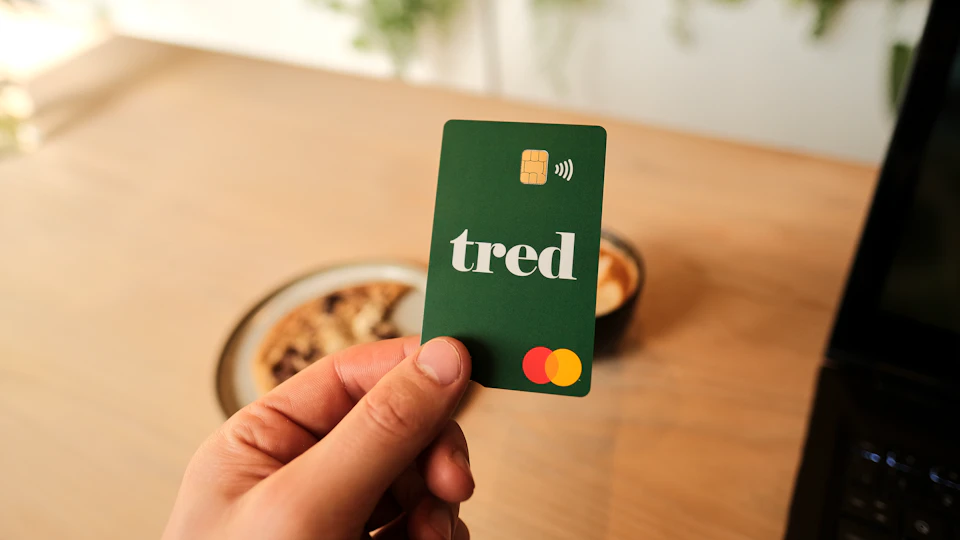
The second lever is what happens at the moment of payment. Not every customer can, or wants to, pay the full amount upfront, especially on bigger orders. Shop Pay Installments breaks that barrier. Eligible customers can split their purchase into smaller payments.
Why does this matter? Because a customer who sees an installment option and takes it is more likely to complete the purchase. Higher conversion. Higher average order value. It's a checkout feature that directly impacts your revenue.
Localized Storefronts Aren't Just for Big Brands Anymore
One more shift Shopify calls out: customers expect brands to show up in their region with local pricing, currency, and sometimes inventory. If you're a regional brand planning to grow nationally or internationally, you need storefronts that adapt to where the customer is, not a one-size-fits-all site.
This used to require custom development and constant manual updates. Tools like Shopify Markets handle the localization so you can launch in new regions without rebuilding your entire infrastructure.
What This Means for Your Business in 2026
Your storefront is no longer a side project, it's where 63% of your customer base expects to find you.
Inventory accuracy across channels stops being nice-to-have and becomes critical to keeping customers happy and avoiding lost sales.
Payment flexibility at checkout is a conversion tool. If you're not offering it, you're leaving orders on the table.
If you're planning to grow beyond your home market, localization tools let you scale faster without a proportional increase in operational overhead.
The brands winning in 2026 aren't necessarily the ones with the most followers. They're the ones with the tightest operations, inventory that doesn't lie, checkout options that meet customers where they are, and a storefront that works everywhere they want to shop.
How WebKing runs this
We connect your storefront, point-of-sale systems, and inventory so a customer can find what you have, pay how they prefer, and receive their order whether they bought online or in-store. We also surface payment flexibility at checkout so eligible customers can split their purchase into installments, removing a friction point that costs you sales.
What does 'direct-to-consumer' actually mean for my business?
It means selling directly to customers through your own storefront rather than through a marketplace. According to Shopify's 2026 data, 63% of US consumers have now bought this way, which tells you customers expect brands to have their own online presence and checkout experience.
If I sell in multiple locations, online and retail, how do I keep inventory from double-selling?
You need a system that syncs inventory across all your sales channels in real time. Shopify Markets and point-of-sale tools let you manage stock, orders, and locations from one place so you're never overselling.
Does offering payment installments really move the needle on conversions?
Shop Pay Installments is specifically designed for eligible merchants because payment flexibility at checkout removes a barrier for customers who want to buy but can't pay in full upfront. It's a conversion lever that increases average order value.
How do I compete with marketplaces if I'm going direct?
You own the customer experience from discovery to delivery. Shopify's data shows 63% of consumers are already shopping DTC, which means there's demand, you just need a storefront that delivers the experience they expect: fast checkout, payment options, and inventory accuracy.
The Lab is original analysis by WebKing. We summarize and interpret developments from the sources above for industrial, commercial, and small business owners. Figures are reported as published by their sources.