85% of AI Search Topics Are Still Unclaimed: Here's How to Own Them
A Semrush study shows AI search visitors convert 4.4x better than organic traffic, but most brands haven't staked a claim. New visibility tools make it possible to compete for answers across ChatGPT, Claude, and Perplexity before your competitors do.
WebKing Intelligence Desk//Monitored live
Get my free auditFree, 30 minutes, no pitch deck. You keep the findings either way.
The majority of your customers may have already switched where they search. More than one-third of consumers now start with an AI search engine rather than a traditional search engine, according to research cited by Semrush. But here is the part that should capture your immediate attention: visitors from AI search channels convert at 4.4x the rate of organic search visitors.
That gap exists for one reason: people who type a question into ChatGPT or Claude are actively searching for an answer, not just browsing. They are further along in a buying decision. And because the field is so new, most of them are finding whoever shows up first, which today is often no one in particular, because most brands have not yet optimized for AI search.
85%
of AI search topics analyzed have no clear dominant brand, meaning they remain wide open
Semrush analyzed over 1,000 categories and found that only 15.2% had a clear owner in AI search results. The remaining 85% are still unclaimed territory. If your brand is not yet visible across ChatGPT, Claude, and Perplexity, neither are most of your competitors, which means you can move now and own a category before anyone else does.
Why CMOs Are Still Behind on This
Building consistent visibility across LLMs is an emerging discipline. For many marketing leaders, operating at scale across multiple AI search platforms feels vague and difficult to manage. There is no API-driven ranking system you can check daily. There is no clear content submission process. Most brands have treated AI search as something to monitor, not something to actively optimize for.
That is changing. Tools now exist to track visibility across LLMs the way you track search rankings, showing you which topics your brand appears for, which competitors own, and where the open space is in your industry. This makes AI search something you can actually operationalize, not just watch.
What This Means for Your Revenue
A visitor who asks Claude a question about your industry and sees your brand's answer is already qualified and ready to learn more. That 4.4x conversion lift is not coincidence, it is the math of reaching people at the exact moment they have a specific need.
Right now, 85% of those moments in your category are unclaimed. Your competitor's competitor could claim them tomorrow. The speed at which you move from monitoring AI search to actively optimizing for it will likely determine whether you own those high-converting visitors or spend the next two years trying to catch up.
More than a third of consumers now start searching with AI rather than traditional engines. And customers from AI search channels already convert 4.4x more than organic search visitors.
Semrush study, September 2024
How WebKing runs this
We track your visibility across multiple LLMs, identify which AI search topics in your category have no clear owner, and guide content strategy to claim them while the field is still wide open.
Why should I care about AI search if my customers use Google?
More than one-third of consumers now start with AI search engines instead of traditional search, and according to Semrush research, visitors from AI search convert at 4.4x the rate of organic search visitors, making them far more valuable despite smaller overall traffic.
No, 85% of the 1,094 categories analyzed by Semrush still have no clear dominant brand, meaning most AI search topics are still up for grabs and represent real opportunity for first movers.
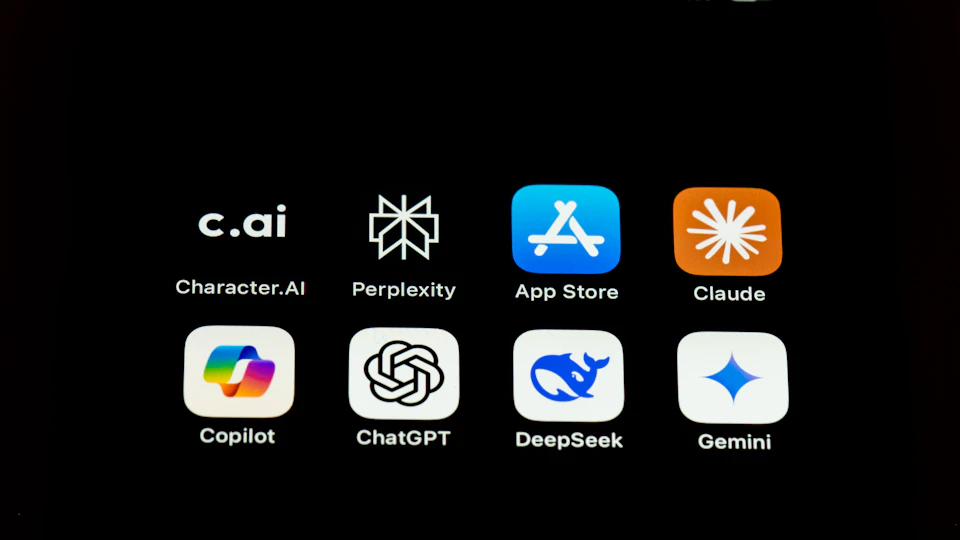
ChatGPT, Claude, and Perplexity are the primary LLMs where consumers are now searching, and monitoring visibility across all three is now essential rather than optional for most businesses.
How do I actually build visibility across multiple AI search engines?
New tools now let you track and monitor your brand's visibility across LLMs the way you'd monitor search rankings, making it possible to operationalize AI search strategy at scale rather than manage it manually for each platform.
The Lab is original analysis by WebKing. We summarize and interpret developments from the sources above for industrial, commercial, and small business owners. Figures are reported as published by their sources.