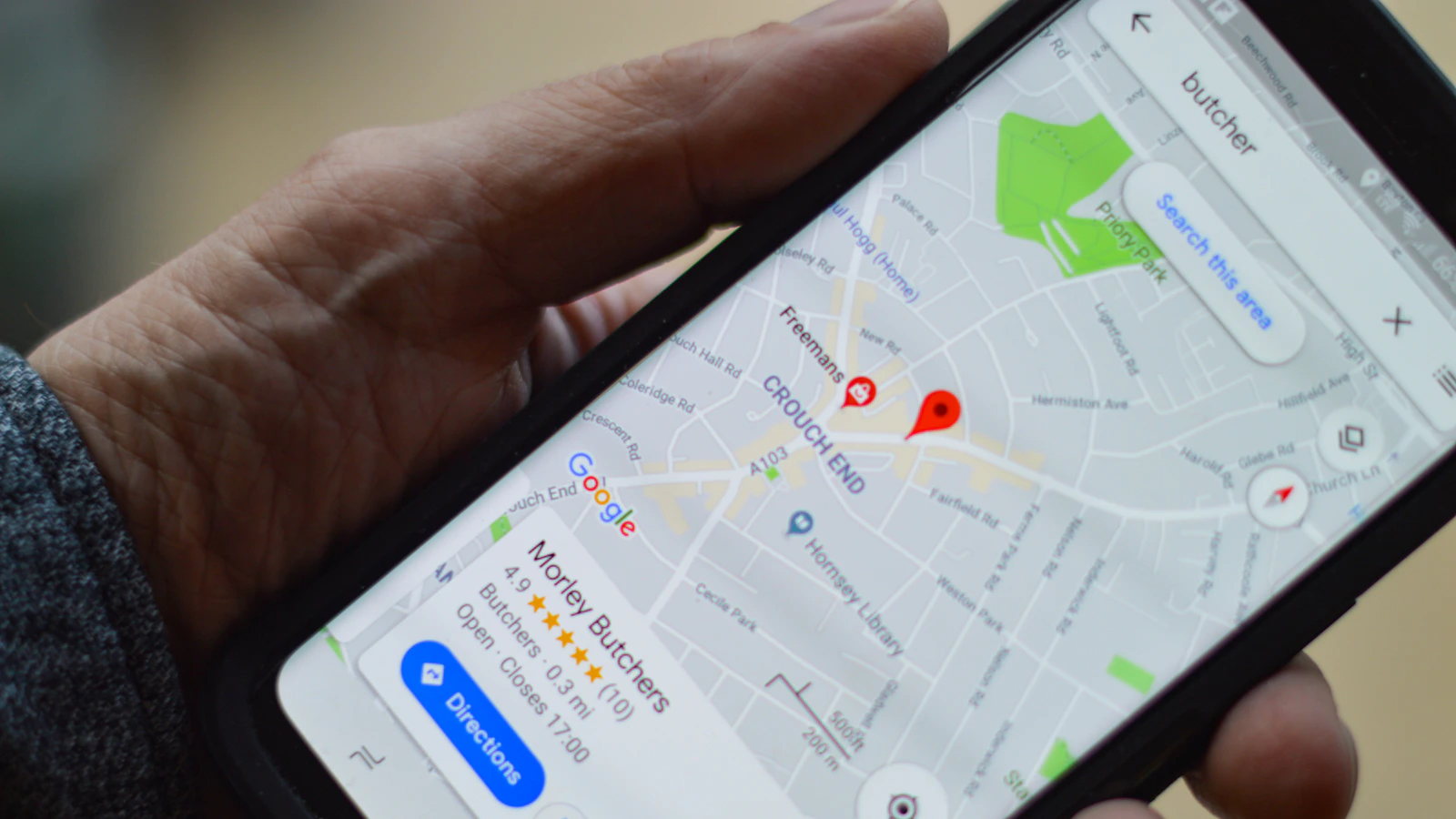
Google's 2026 Local Ranking Shift: Reviews Now Drive Pack Visibility
Google is parsing what customers actually say in reviews, not just counting them. For local businesses, that means review content, recency, and profile completeness now separate winners from the pack.
WebKing Intelligence Desk//Updated /Monitored live
Get my free auditFree, 30 minutes, no pitch deck. You keep the findings either way.
What Changed in Google's Local Algorithm
Google's local ranking systems have shifted from counting reviews to *reading* them. According to Loop Digital's June 2026 analysis, the search engine now parses review content for three key signals: whether customers mention your specific services, whether they reference your location, and whether the experience sounds authentic.
This is a meaningful change. A business with 200 generic five-star reviews ('Great place!') now ranks below a competitor with 80 reviews that specifically mention services offered ('They fixed my HVAC system fast') and location details ('Easy to find in downtown on Fourth Street').
The Three New Ranking Pillars
Review Content Parsing: Google identifies whether reviews discuss your actual services, location, and customer outcomes. Specificity matters.
Recency and Consistency: Fresh reviews signal that your business is active and customers are still coming back. Gaps in review activity hurt visibility.
Profile Completeness: A fully filled Google Business Profile (categories, service areas, hours, photos, Q&A) is now a major differentiator for local pack rankings.
How Engagement Signals Factor In
Beyond review volume and content, Google now tracks engagement signals tied to your profile: customer responses to reviews, updates to your business information, and interaction with the Q&A section. A profile that's actively managed sends a trust signal. One that's dormant signals abandonment.
This means your team needs a repeatable process. Every week, check for new reviews, respond thoughtfully, update photos or services if anything changes, and answer customer questions in the Q&A section. Google watches this behavior.
What to Do Right Now
Audit your Google Business Profile for completeness. Fill in all service categories, service areas, business hours, and upload high-quality photos.
Review your recent feedback for specificity. Do customers mention your actual services and location? If reviews are vague, encourage repeat customers to be more detailed.
Set up a monthly cadence: respond to all reviews, add a business update or photo, answer Q&A questions. Google rewards active profiles.
Ask satisfied customers to mention what you specifically did for them (e.g., 'Repaired the compressor on my industrial pump') and where they found you.
Google's local ranking systems are increasingly parsing review content for service relevance, location references, and authentic customer experiences.
Loop Digital, June 2026
The shift from vanity metrics (review count) to substance (what reviews actually say) levels the playing field for smaller industrial and commercial businesses. You don't need 500 reviews to compete. You need 50 that prove you deliver on your promise, in your location, for your customers' real needs.
How WebKing runs this
At WebKing, we audit your review content and profile completeness against Google's new parsing logic, then build a review strategy that feeds authentic customer experiences into the local pack ranking system.
Does the number of reviews still matter for local SEO?
Yes, but it's no longer the primary driver. Google now analyzes what customers actually *say* in those reviews, whether they mention your services, location, and real experience, so content quality and recency matter more than raw count.
How does Google use review content to rank local businesses?
According to Loop Digital's analysis, Google parses reviews for service relevance, location references, and authentic customer experiences. This means reviews that specifically mention what you offer and where you operate carry more weight than generic praise.
What's the impact of profile completeness on local pack visibility?
Profile completeness is now a major differentiator in local pack rankings. A fully filled-out Google Business Profile, including categories, service areas, hours, and photos, signals to Google that your business is active and trustworthy.
Review recency is a major ranking signal in 2026. Older reviews still matter, but Google gives significant weight to recent customer feedback, so consistent review generation is essential for maintaining local pack visibility.
The Lab is original analysis by WebKing. We summarize and interpret developments from the sources above for industrial, commercial, and small business owners. Figures are reported as published by their sources.