OpenAI Opens ChatGPT to Brand Ads, Shifting Where Customers Find You
ChatGPT now accepts paid ads with CPM, CPC, and conversion-focused bidding. Here's what it means for your budget and how shoppers discover you inside an AI chat.
WebKing Intelligence Desk//Monitored live
Get my free auditFree, 30 minutes, no pitch deck. You keep the findings either way.
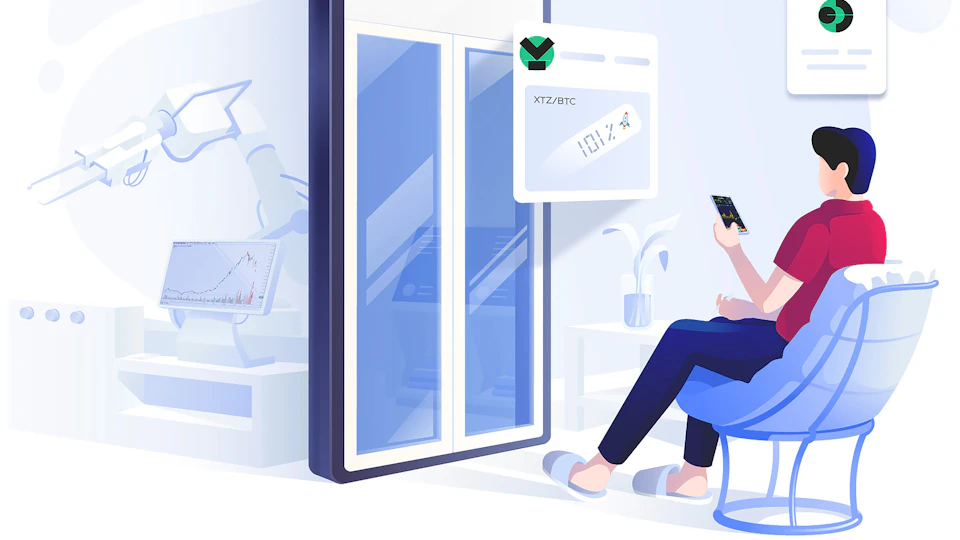
OpenAI is opening ChatGPT to paid advertising, letting brands bid on placements inside the chat interface with the same bidding models that power Google and Meta: cost-per-mille (CPM), cost-per-click (CPC), and conversion-optimized CPC. The move, reported by Moneycontrol, signals a fundamental shift in where customers discover and convert on products, and where you'll need to allocate ad dollars next quarter.
Why This Matters to Your Bottom Line
ChatGPT has 200+ million weekly active users. Many of them are mid-purchase: asking the AI to compare products, find alternatives, or validate a buying decision before they click to checkout. That's not a feed they're scrolling, not a search result they're scanning, it's a direct question they expect an answer for. Your ad inside that answer reaches them at a moment Google's search results and Meta's feed do not.
The three bidding models OpenAI offers give you the same levers your Google and Meta teams already pull: charge by volume (CPM), by engagement (CPC), or by results (conversion CPC). That familiarity cuts implementation friction. But it also means your budget, already split across Google Ads, Meta ads, and maybe TikTok, now has a fourth contender.
The Real Decision: Where Does Your Dollar Work Hardest?
Your paid-search strategy has been binary for years: Google or Meta, with occasional allocation to vertical platforms. ChatGPT breaks that. You can no longer assume your conversion-per-dollar behaves the same way on all channels, because the user context is genuinely different. A person asking ChatGPT "which laptop lasts longest" is signaling intent that a person scrolling Meta's feed is not.
The move also means you need to measure what you're already measuring, clicks, conversions, cost-per-acquisition, but now across three majors instead of two. Most brands will test ChatGPT ads with 10% to 20% of existing budget first, run campaigns for 30 to 60 days, then rebalance based on true return per platform.
What ChatGPT Ads Mean for Ecommerce and Services
For ecommerce, ChatGPT ads can intercept high-intent searches (product recommendations, alternatives, pricing questions) before the user leaves the chat to comparison-shop on Google. For services, plumbing, consulting, legal, they let you reach people asking "how do I" or "which provider" questions in real time, mid-decision.
The difference from Meta and Google is audience context. Meta is discovery and brand-building. Google is intent-driven search, but passive (the user is clicking through results, not conversing). ChatGPT is active intent, they're asking the AI for advice, and your ad can respond directly to that ask.
One Warning: Budget Fragmentation
If you're a small to mid-sized business, adding a third platform to manage means more campaign setup, more testing, more data to analyze. You'll need someone (you, a marketer, or a partner) to monitor performance across platforms and kill underperformers fast. Done poorly, spreading budget thin across three channels returns less than doubling down on the two that already work for you.
Done well, testing ChatGPT with a floor amount, measuring, then reallocating, you find margin you didn't know was there. Google's algorithm is proven. Meta's algorithm is proven. ChatGPT's intent signal is new, and new often means opportunity if you move first and measure fast.
How WebKing runs this
We set up test campaigns across your product line or service tiers on ChatGPT, measure which conversion-optimized bids return money fastest, and move your next round of spend to whichever platform wins, Google, Meta, or ChatGPT.
Why should I advertise on ChatGPT if I'm already spending on Google and Meta?
ChatGPT users are in an intent-rich moment, they're asking for product recommendations and solutions directly inside the chat, not scrolling a feed. You're competing for attention at a different moment in the buying journey, one Google and Meta don't fully own.
What's the difference between CPM, CPC, and conversion-optimized CPC, and which should I pick?
CPM charges per 1,000 impressions (brand awareness); CPC charges per click (traffic); conversion-optimized CPC charges per click but targets users likeliest to buy. Start with conversion CPC if you track purchases, CPC if you track leads.
Almost certainly, unless you increase total ad spend. Most businesses will test ChatGPT with 10, 20% of existing budget, measure return per platform, then reallocate based on what sells.
How do I know if ChatGPT ads are actually working for my business?
Track clicks and conversions the same way you do on Google, with a UTM tag or pixel, so you can compare cost-per-conversion across all three platforms and cut what doesn't win.
The Lab is original analysis by WebKing. We summarize and interpret developments from the sources above for industrial, commercial, and small business owners. Figures are reported as published by their sources.