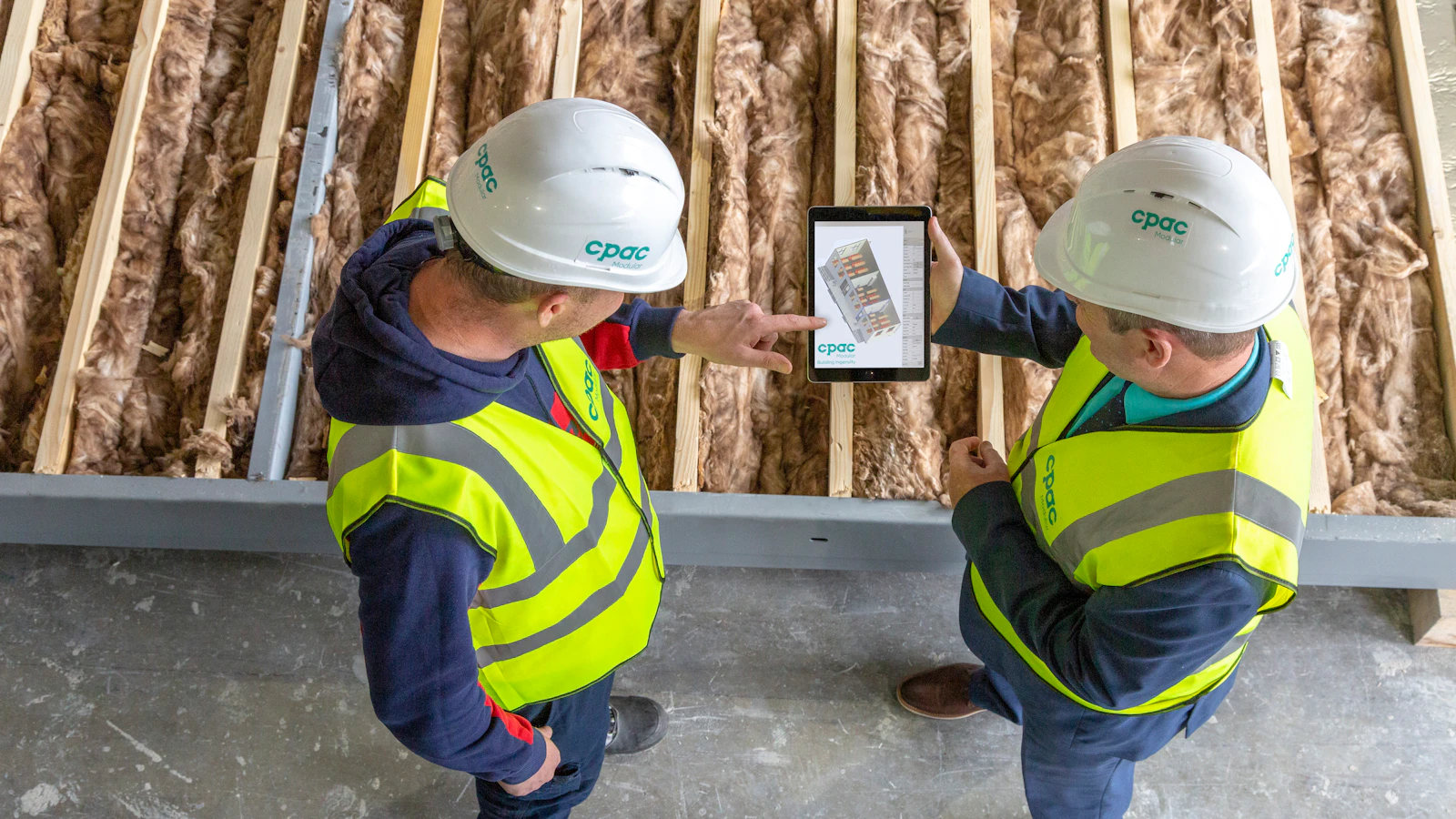
How a Freight Forwarder Pulled 100+ Leads From a Redesigned Website
One international logistics company rebuilt its site with conversion-focused copy and HubSpot automation. Here's what changed.
WebKing Intelligence Desk//Monitored live
Get my free auditFree, 30 minutes, no pitch deck. You keep the findings either way.
A website redesign isn't just a visual refresh. When an international freight forwarder rebuilt its site with conversion-focused messaging and HubSpot automation, it pulled more than 100 qualified leads in under a year. That's not a lucky spike. That's the result of treating every page like a sales channel, not a brochure.
From Brochure to Lead Engine
The old site did what most industrial B2B websites do: it listed services, showed credentials, and hoped someone would call. The rebuilt version reversed that logic. It started with what customers actually search for, then built pages that answered those specific questions with a clear path to contact.
Conversion-focused copy sounds different because it works differently. Instead of 'Comprehensive forwarding solutions,' it says 'Your Asia-to-US shipments handled in 14 days.' Instead of 'Trusted by major brands,' it shows 'Container tracking 24/7 with SMS alerts.' Every word justifies why someone should click the contact button.
Automation Closes the Gap
Converting traffic into leads means nothing if leads disappear into an inbox. The redesign integrated HubSpot across the site so that when a logistics manager fills out a quote form or downloads a rate card, their contact lands in one system. No copy-paste. No missed follow-ups. The platform can also tag leads by what they searched for or which page they converted on, so your sales team knows whether someone needs ocean freight or customs brokerage before they call.
Search Drives the Volume
100+ leads didn't come from brand awareness alone. The rebuilt site included SEO work to rank for searches like 'freight forwarder near me,' 'international shipping rates,' and 'customs clearance,' plus PPC campaigns targeting those same terms. SEO brings steady organic traffic over time. PPC puts your site in front of high-intent searchers who are ready to buy now. Together, they fill the funnel.
What to Audit in Your Own Site
Does your copy speak to what customers search for, or what you think they need to know?
When someone fills out a form, does it land in your CRM automatically, or do you manually enter it?
Can you see which pages generate the most leads, or do you only count total contact submissions?
Are you bidding on your own keywords in paid search, or letting organic alone carry the load?
A freight forwarder's 100+ leads came from treating its website as a sales channel, not a digital business card. That's the move.
How WebKing runs this
We redesign websites with copy that speaks to what your customers actually need, not what your company wants to say. We integrate your CRM so every lead lands in one place and moves through your pipeline automatically. We layer SEO and paid search so the right buyers find the site in the first place.
What does a conversion-focused redesign actually change on a website?
It replaces vague company-first language with specific benefit statements that speak to your buyer's problem. A freight forwarder's old site might say 'Global logistics solutions.' The new one says 'We handle your Asia-to-US shipments in 14 days, door to door.' Every page is built to either move a visitor deeper into a buying decision or capture their contact.
How does HubSpot integration help generate more leads?
When a visitor submits a form, HubSpot captures it automatically and can trigger follow-up emails or sales alerts without anyone manually copying data. No leads slip through cracks because someone forgot to check the inbox. The system also tracks which pages convert best so you know what message works.
Do I need both SEO and PPC to see results like 100+ leads?
Not necessarily both, but they work together. SEO brings long-term organic traffic from people searching for your service. PPC puts you in front of high-intent searchers immediately while SEO builds. A freight forwarder benefited from both because some customers search before they know they need forwarding help, and others are already comparing vendors.
This company generated more than 100 leads between the redesign launch and early November 2026, so roughly under a year from completion. The timeline depends on your industry, traffic volume, and how well your messaging matches what buyers are searching for.
The Lab is original analysis by WebKing. We summarize and interpret developments from the sources above for industrial, commercial, and small business owners. Figures are reported as published by their sources.