How a Luxury Dealer Got 5.5× More Sales Without Raising Ad Spend
A car dealership tripled its conversion rate by feeding real customer outcomes, calls, meetings, purchases, back into Google and Meta. Here's what changed.
WebKing Intelligence Desk//Monitored live
Get my free auditFree, 30 minutes, no pitch deck. You keep the findings either way.
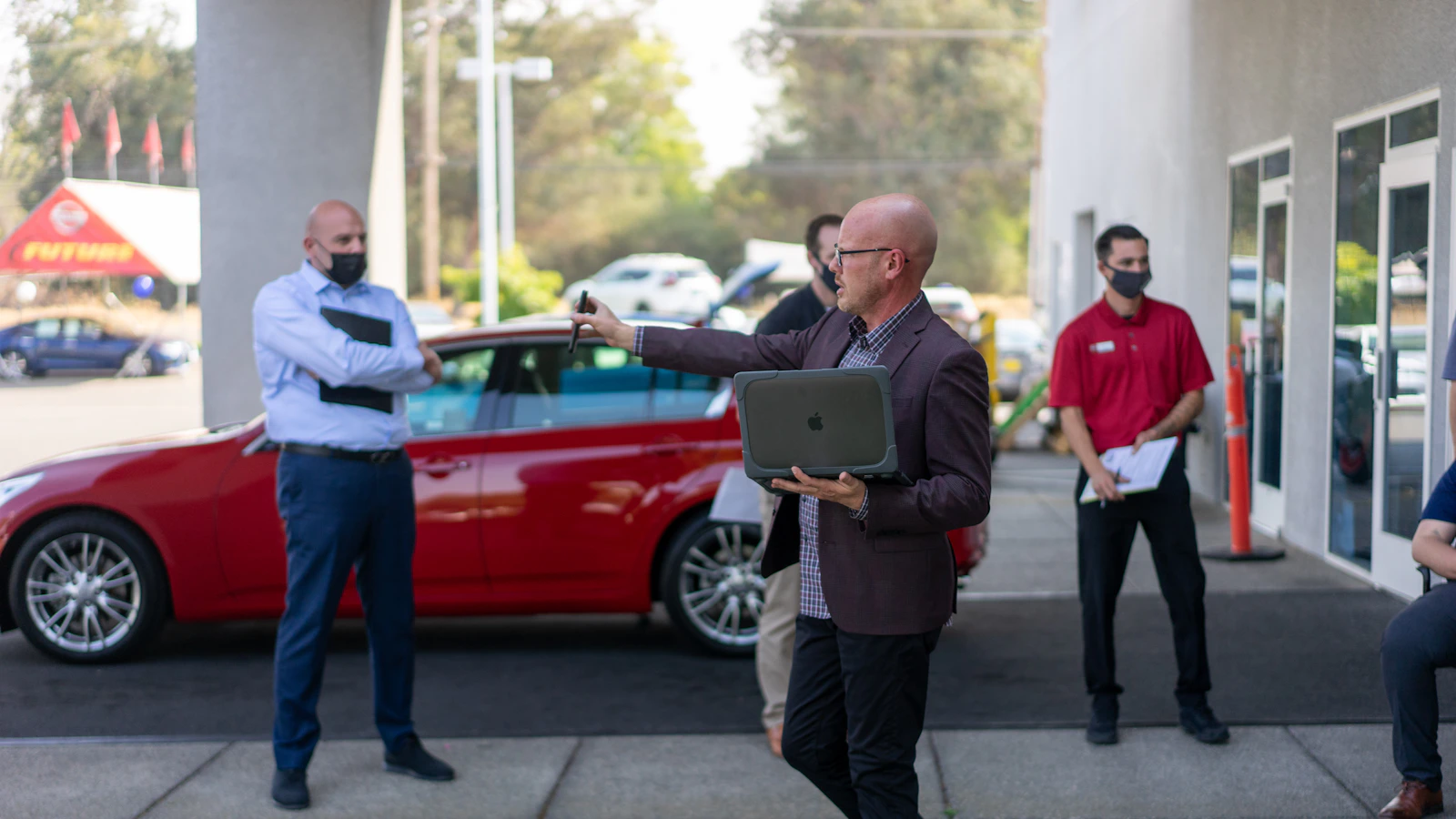
A luxury car dealership increased leads by 70% and boosted its sale rate 3.2 times over, producing nearly 5.5 times more revenue, without spending an extra dollar on ads. The secret wasn't better creative or a bigger budget. It was telling Google and Meta exactly which customers actually bought.
The Problem: Platforms Optimize for the Wrong Goal
Most ad campaigns measure success by clicks, form fills, or website visits. Platforms like Google and Meta use that data to find more clickers. But a click is not a sale. A form fill is not revenue. The dealer was running ads optimized for traffic, not for buyers.
The Move: Close the Loop with Real Outcomes
The dealership started sending actual customer events back to Google and Meta: answered phone calls, booked test drives, completed purchases. Now the platforms knew which customers turned into sales, and they could reallocate budget toward lookalike audiences and behaviors that matched the buyers, not the browsers.
The full funnel mattered. A customer who called and booked a meeting was different from one who filled a form and left. A customer who test-drove and bought was different from one who called once. By feeding all those milestones back into the ad system, Google and Meta could optimize each stage and predict which leads were most likely to convert.
5.5×
more sales at the same ad cost
What This Means for Your Sales Funnel
If your business relies on phone calls, scheduled meetings, or multi-step sales, you're sitting on untapped ad efficiency. Most owners measure ad performance by cost-per-click or cost-per-lead. That makes platforms compete to send you volume, not quality. When you measure by cost-per-booked-meeting or cost-per-customer, the platforms compete to send you money makers.
The dealer's 1.7× increase in leads and 3.2× increase in conversion rate happened because Google and Meta were finally optimizing for the right outcome. The ad spend stayed flat; the budget was just working harder.
Getting Started
Start by identifying your most valuable customer outcome. For a dealer, it's a purchase. For a contractor, it might be a completed job or consultation booking. For a service business, it's a booked appointment. Whatever that milestone is, wire it into your ad accounts so Google and Meta know when a lead became a revenue event.
The dealer didn't change creative, audience size, or bid strategy. It changed the data the platforms were working with. That single shift produced 5.5× more sales on the same investment. The lesson: your ad platforms are only as smart as the feedback you give them.
A luxury car dealer increased leads by 70% and more than tripled lead conversion, producing nearly 5.5 times more sales without increasing ad spend.
Lachi Media case study, October 2026
How WebKing runs this
We run conversion tracking that goes beyond the click. We send your real business events, answered calls, scheduled meetings, completed sales, back into Google and Meta so the algorithms learn what actually makes money for you. The platforms then reallocate your budget toward the customers most likely to buy, not just engage.
What's the difference between tracking a click and tracking a sale?
Clicks tell ad platforms someone showed interest; sales tell them someone bought. When you feed sales and booked meetings back to Google and Meta, the algorithms shift your budget toward high-intent customers instead of spreading it thin across browsers. The luxury dealer's case shows this feedback loop tripled conversion rate on the same spend.
How do you get customer outcomes back to Google and Meta?
You connect your phone system, CRM, or calendar so that when a customer books a meeting or completes a sale, that event is tagged and reported back to the ad platforms as a conversion. Google and Meta then use that data to find more customers like the ones who actually bought.
Will this work for my business if we're not in luxury goods?
Yes. Any business with a sales process, calls, meetings, consultations, or purchases, benefits from this. The luxury dealer is the case study because the economics of high-ticket sales make the payoff visible, but the method works wherever you need to turn interest into revenue.
You need a way to connect your existing customer interactions, phone calls, CRM records, calendar bookings, to your ad accounts. Most businesses already have the pieces; the work is wiring them together so the data flows back to Google and Meta.
The Lab is original analysis by WebKing. We summarize and interpret developments from the sources above for industrial, commercial, and small business owners. Figures are reported as published by their sources.