How Courvoisier's House Party Campaign Signals What's Working in Spirits Marketing Now
A major cognac brand's first global push in years ditches traditional luxury messaging for an experiential angle that's resonating across social, retail, TV, and outdoor channels as the category fights post-COVID headwinds.
WebKing Intelligence Desk//Monitored live
Get my free auditFree, 30 minutes, no pitch deck. You keep the findings either way.
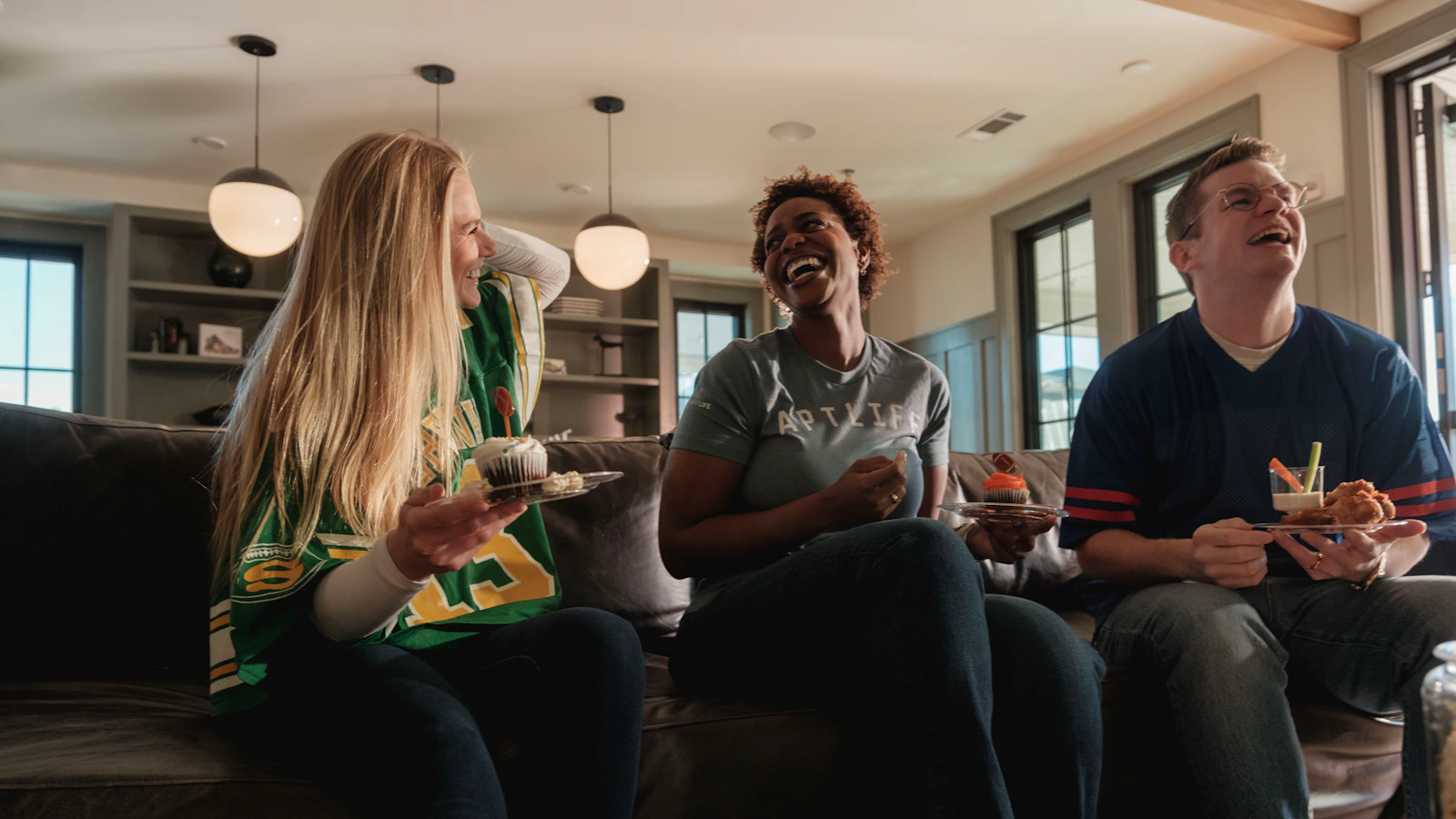
Courvoisier is launching its first global campaign in years, and the move reveals exactly what's working in spirits marketing right now: the brand is abandoning the traditional premium-positioning playbook and embracing house party culture instead. The campaign runs across social, retail, TV, and out-of-home channels, a spread that signals how consumer behavior and brand expectations have shifted.
Why Experiential Beats Exclusivity
The spirits category has faced sustained pressure after the pandemic-era boom faded. For years, COVID lockdowns drove at-home consumption and premiumization, but that surge has cooled. Courvoisier's pivot tells the story: consumers now want to feel like they're part of a social moment, not just buying a status product. House parties are real, peer-driven gatherings where people decide what to drink based on what their friends are having and the vibe they want to create. That's where the brand is planting its flag.
For any business owner in retail, hospitality, food service, or consumer goods, this move has a direct lesson: your customer wants to belong to the experience your brand enables, not just own the thing. A cognac brand used to win by saying 'drink this and you'll be sophisticated.' Now it wins by saying 'drink this when you're with your friends, and you're part of the culture.'
Multi-Channel Execution Is Table Stakes
Courvoisier isn't running this campaign on one platform or in one format. Social brings immediacy and peer-to-peer discovery. Retail anchors the purchase decision and in-store trial. TV provides reach and cultural legitimacy. Out-of-home catches moments in transit and urban spaces where people gather. This layered approach works because it meets the customer at every stage of their decision journey and in the places where the house party itself actually happens, online planning, shopping prep, at-home viewing, and moving through the city.
What This Means for Your Business
You don't need to be a cognac brand to apply this lesson. Ask yourself: What social moment does my customer want to be part of? Where do they gather to make that decision? What channels reach them in that moment? If you're selling to business owners, you might reach them on LinkedIn when they're planning hiring. If you're selling to homeowners, you might reach them on social when they're browsing before shopping. If you're selling to restaurants or bars, you reach them at trade shows and in their workflow apps.
Start with the social moment your customer values, not the product features you think matter most.
Map the channels where that moment actually happens, not where it's easiest for you to post.
Test messaging that puts your brand inside the experience, not above it or separate from it.
Measure whether customers feel like they're joining something, not just buying something.
Courvoisier's first global campaign in years is a bet that the spirits category has moved past pure premium positioning and into experience-driven marketing. For business owners watching this shift, the takeaway is simple: consumers connect with brands that understand the moments their lives revolve around, and reward them for showing up in the right place, at the right time, with a message that fits.
How WebKing runs this
We build campaigns across social, retail, and traditional channels that frame your brand as part of the culture your audience already lives in. That requires understanding where your customer gathers and what they want to feel in that moment, then meeting them there with messaging that fits the context, not against it.
Why would a luxury brand like Courvoisier move away from traditional premium positioning?
The spirits category faces ongoing pressure after the pandemic boom ended, so brands are shifting to experiential and social angles that create demand through cultural relevance and peer connection, not exclusivity alone. House party culture taps into where consumers actually gather and spend money.
What does running a campaign across social, retail, TV, and out-of-home actually mean for a smaller business?
It means choosing channels where your target customer already spends time and tailoring the message to fit each one. You don't need all four; you pick the mix that reaches your audience in moments that matter to them, whether that's scrolling, shopping in-store, watching, or passing by.
How do I know if an experiential angle will work for my product or service?
Test it where your customer already gathers. If your audience connects over shared moments, eating, drinking, working out, shopping, frame your brand as part of that moment, not separate from it. Courvoisier's success with house parties tells you that peer-driven social context wins over solo luxury messaging right now.
Is this shift temporary or permanent for the spirits category?
The source indicates the category continues to face pressure after COVID booms, suggesting brands are adapting long-term strategies. For your business, assume experiential and social positioning is now table stakes, not a temporary tactic.
The Lab is original analysis by WebKing. We summarize and interpret developments from the sources above for industrial, commercial, and small business owners. Figures are reported as published by their sources.