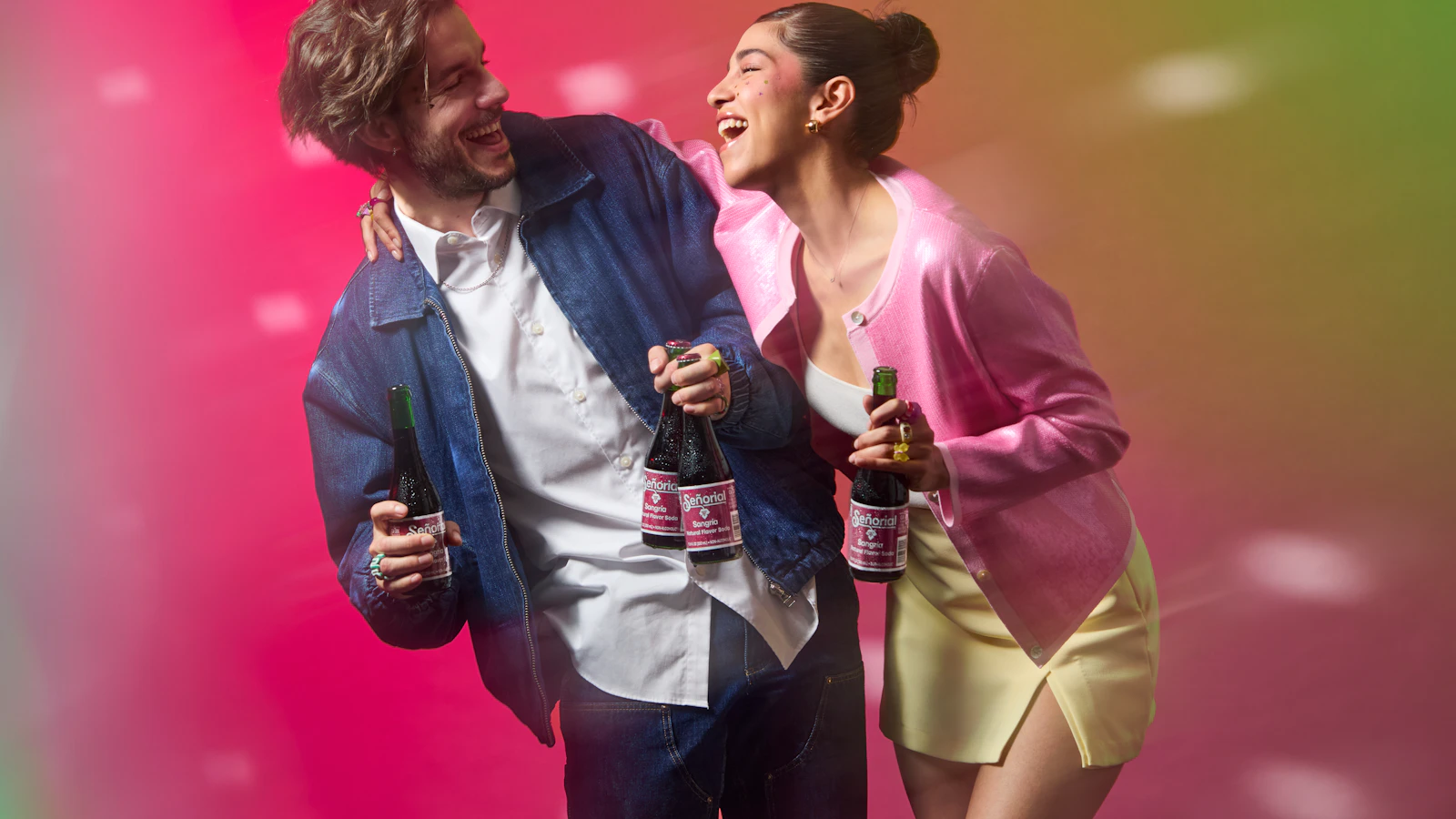
How Skinny Fizz Multiplied Email Revenue 921% in 30 Days
A beverage brand's lifecycle automation strategy cut through inbox noise and turned subscribers into repeat buyers. Here's what changed.
WebKing Intelligence Desk//Monitored live
Get my free auditFree, 30 minutes, no pitch deck. You keep the findings either way.
Skinny Fizz, a beverage brand competing in a crowded ecommerce category, faced a familiar problem: email subscribers weren't buying often enough. The inbox was full of noise, and batch sends, one message to everyone at once, couldn't match the moment each person was ready to order.
A shift to lifecycle automation changed that math. Instead of sending the same promotional email to a 100,000-person list on Tuesday morning, the brand built sequences that trigger on customer behavior. New subscribers enter a welcome path. Repeat buyers see a reorder prompt timed to their purchase cycle. Lapsed customers get a targeted win-back offer when data suggests they're most likely to respond.
921%
Email revenue growth within 30 days for Skinny Fizz
The results speak to why lifecycle automation converts. Within 30 days, email revenue climbed 921%. Click rates rose 101.49%, meaning subscribers opened emails and took action at twice the prior rate. The placed-order rate jumped 50.16%, signaling that sequences were landing at the right moment in each subscriber's buying cycle.
Why Lifecycle Beats Batch Send
Batch sending treats your email list as one audience. Everyone gets the same message on the same day at the same time. It's simple to manage and fast to execute, but it ignores a hard truth: your newest subscriber and your repeat buyer are in completely different mental states and need completely different offers.
Lifecycle automation divides your list by stage and behavior, then assigns each segment its own sequence. A first-time buyer needs reassurance and a discount to return. A customer who bought last month needs a different product recommendation or a loyalty bonus. Someone who hasn't opened an email in 60 days needs a reason to care again, a limited offer, a new product, or a simple "we miss you."
Skinny Fizz paired subscriber acquisition with this approach. That meant the brand was not only growing its list but also funneling new subscribers into a sequence that reliably converted them into buyers. The result: 921% email revenue growth in a month, not a quarter or a year.
The Mechanics Behind the Lift
Three factors aligned in Skinny Fizz's favor:
Subscriber acquisition work meant new, engaged prospects entered the funnel each day, and lifecycle sequences converted them at a high rate.
Click rates nearly doubled (101.49% increase) because messages were relevant to each subscriber's stage, not generic promotions.
Order rate jumped 50.16% because timing matched behavior, reorder prompts went out when repeat buyers were most likely to buy again.
The key insight: revenue didn't grow because the brand sent more emails. It grew because fewer emails to more targeted segments created more orders per send. That efficiency is what lifecycle automation delivers.
What Small and Mid-Market Brands Should Copy
You do not need Skinny Fizz's scale to use this playbook. The mechanics are the same whether you have 5,000 subscribers or 500,000.
Map your subscribers by stage: new (0-7 days), active (bought in last 90 days), repeat (bought 2+ times), lapsed (haven't bought in 90+ days).
Build one sequence for each stage. A welcome series for new subscribers. A reorder prompt for repeat buyers. A win-back offer for lapsed ones.
Add subscriber acquisition to your email budget. New subscribers flowing in daily means your sequences run at full volume every day, multiplying the revenue impact.
Track click rate and order rate, not just open rate. Those two metrics tell you whether subscribers are actually buying, not just reading.
Skinny Fizz proved that email revenue scales fastest when you stop treating your list as one audience and start treating it as four or five smaller ones, each with a tailored path to purchase.
How WebKing runs this
We map your email list by customer stage, prospect, first-time buyer, repeat, at-risk, then write and time each sequence to match where they are in their relationship with your brand. We test send times, subject lines, and offers against your own data. The sequences run on automation, so new subscribers flow through the same high-converting path every time, while we monitor click and order rates and adjust.
What is lifecycle automation in email, and why does it matter more than batch-and-blast?
Lifecycle automation sends emails triggered by what a subscriber actually does, opened your last email, abandoned a cart, bought 60 days ago, not just a calendar date. Skinny Fizz saw click rates double and order rates jump 50% because each message matched the subscriber's stage, not a one-size list.
How fast can email revenue grow if we set up lifecycle sequences?
Skinny Fizz grew email revenue 921% within 30 days by combining subscriber acquisition with lifecycle automation, so the lift depends on your starting list size and sequence setup. The faster you build and launch sequences, the faster new subscribers flow into converting paths.
Do we need to grow our subscriber list at the same time we build lifecycle sequences?
Yes. Skinny Fizz paired subscriber-acquisition work with lifecycle automation, both ran together. A bigger list multiplies the impact of high-converting sequences, because more people flow through them each day.
What metrics should we watch to know if lifecycle email is working?
Track click-through rate, placed-order rate, and revenue per email sent. Skinny Fizz saw clicks jump 101.49% and orders rise 50.16%, which meant subscribers were reading, clicking, and buying more often.
The Lab is original analysis by WebKing. We summarize and interpret developments from the sources above for industrial, commercial, and small business owners. Figures are reported as published by their sources.