JCPenney's Wellness Parody Shows How to Flip a Rival's Playbook Into Sales
A Retail Rejuvenation Retreat campaign mocks off-price retailers while reframing discount shopping as self-care, and what that means for how you compete.
WebKing Intelligence Desk//Monitored live
Get my free auditFree, 30 minutes, no pitch deck. You keep the findings either way.
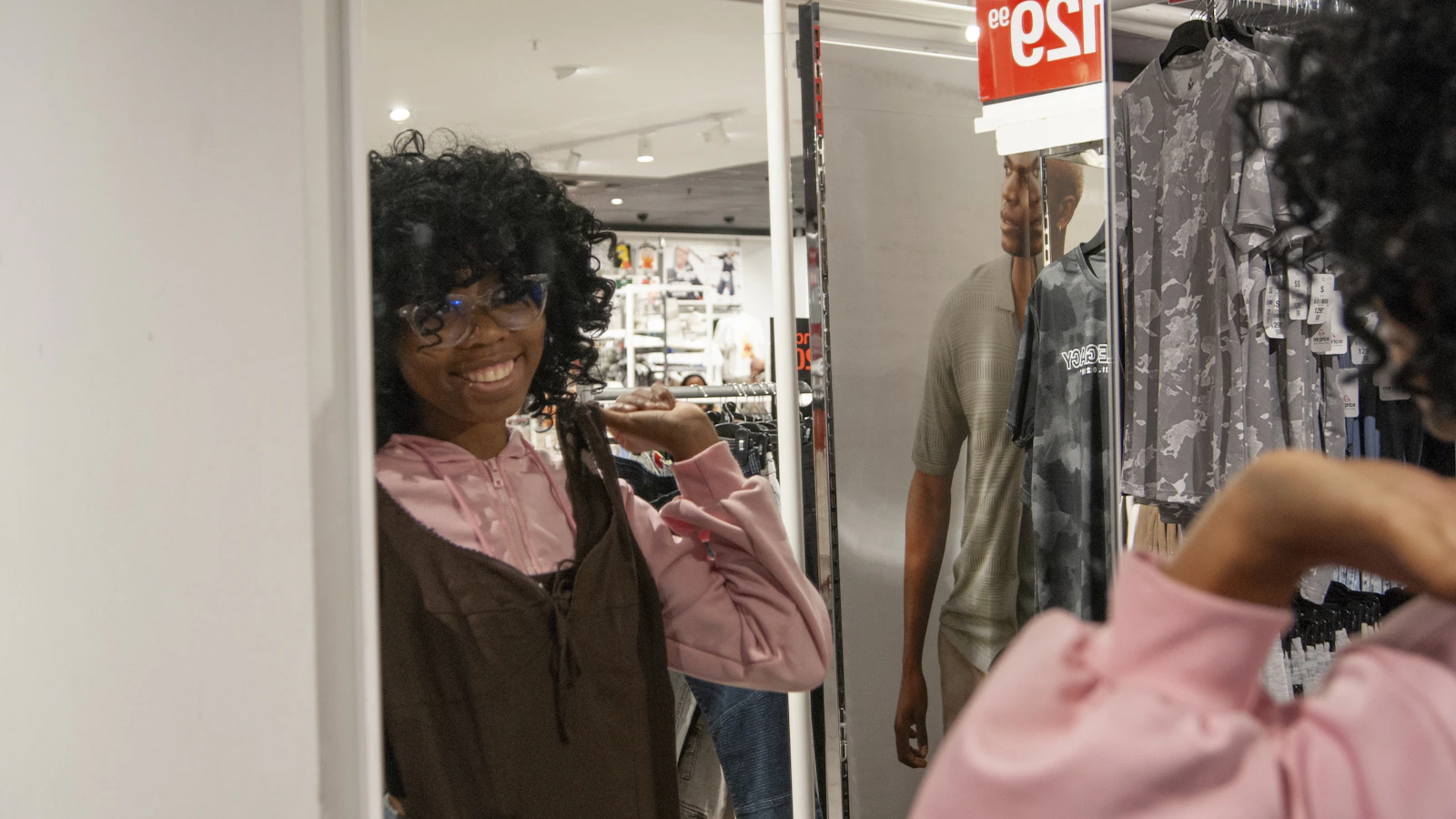
JCPenney just proved that the best way to beat a competitor isn't to out-discount them, it's to own the story they're leaving on the table. Their Retail Rejuvenation Retreat campaign, detailed by Marisa Thalberg, chief customer and marketing officer at Catalyst Brands, takes aim at off-price retailers by doing something those rivals never do: turning discount shopping into wellness, self-care, and mental health. The parody flips the script entirely.
The Narrative Gap Your Rivals Are Missing
Off-price retailers compete on one thing: lowest price. They shout it, they prove it, and they assume that's enough. JCPenney's move reveals the gap in that strategy. Discount shopping doesn't feel bad because the price is low, it feels bad when it's positioned as desperate or a last resort. By reframing budget-conscious buying as an act of wellness, rejuvenation, and smart self-care, JCPenney flips the emotional equation. You're not settling; you're choosing yourself. You're not compromise; you're control.
This is the brand lesson every retail and e-commerce owner should steal: your competitor is probably so focused on their core claim (lowest price, fastest shipping, biggest selection) that they're ignoring the emotional truth underneath. The customer who chooses your offer on a budget doesn't want to feel small. They want to feel smart, capable, and in charge. When your rival ignores that feeling, you own it.
What This Means for Your Store or Site
The Retail Rejuvenation Retreat works because it makes discount shopping aspirational rather than apologetic. It changes the habit by changing the narrative. A small retail owner or e-commerce seller can apply this same move by asking: What is my competitor *not* saying about why customers shop with them? What feeling do they ignore?
If rivals sell on speed, own the calm of making a thoughtful choice.
If rivals sell on selection, own the clarity of knowing exactly what you need.
If rivals sell on price, own the dignity and pride of shopping smart.
If rivals sell on convenience, own the control of doing it your way.
Why Parody Works Better Than Head-to-Head
JCPenney didn't launch a counter-campaign saying 'We're cheaper.' They launched a parody, a knowing wink that says 'We see what they're doing, and here's what they're missing.' Parody creates permission for the customer to laugh at the old way and try the new story. It's also harder for competitors to answer. You can't out-price a price leader. But you *can* out-narrative them by claiming the emotional truth they abandoned.
For your business, this might mean calling out the anxiety your rivals create (FOMO, urgency, decision paralysis) and positioning your brand as the antidote. It means telling the truth about what your customer actually values, and watching them switch.
Marisa Thalberg, chief customer and marketing officer at Catalyst Brands, detailed a Retail Rejuvenation Retreat that looks to change shopping habits.
Marketing Dive, August 17, 2026
How WebKing runs this
We build the story around your real advantage. For this campaign, we'd uncover what discount or value shopping actually means to your customer base, comfort, control, smart choice, belonging, and make that the hero of your messaging, not the price tag.
Why would JCPenney mock off-price retailers instead of competing on price alone?
Competing purely on price is a race to the bottom. By parodying the category and positioning discount shopping as wellness and self-care, JCPenney flips the narrative: instead of being the desperate option, it becomes the smart, emotionally grounded choice. This lets them own a story their rivals aren't telling.
Can a small retailer or e-commerce shop use this same parody-and-reframe approach?
Yes. The core move is identifying what your competitor is *not* saying about their own offer, then claiming that emotional truth for yourself. If rivals only talk price, you talk confidence or community. If they talk quantity, you talk quality or care. It works at any scale.
What makes a wellness angle work for a discount retailer?
Wellness messaging connects buying on a budget to self-respect and mental health, the feeling of being smart, in control, and taking care of yourself. It reframes discount shopping from shame or desperation into pride and empowerment, which is why it resonates and sticks.
How do you measure if a parody campaign like this actually changes shopping habits?
Track customer acquisition cost, repeat visit rate, and basket size among new shoppers, plus brand perception surveys before and after. JCPenney's goal is to shift *why* people shop there, so monitor sentiment and messaging resonance alongside revenue.
The Lab is original analysis by WebKing. We summarize and interpret developments from the sources above for industrial, commercial, and small business owners. Figures are reported as published by their sources.