Under Armour's Celebrity Ambassador Play: What the HeatGear Campaign Tells Us About Brand Strategy
Under Armour taps 'Heated Rivalry' star François Arnaud to front its HeatGear franchise. Here's why celebrity ambassadors still move inventory and how to evaluate whether one fits your brand.
WebKing Intelligence Desk//Monitored live
Get my free auditFree, 30 minutes, no pitch deck. You keep the findings either way.
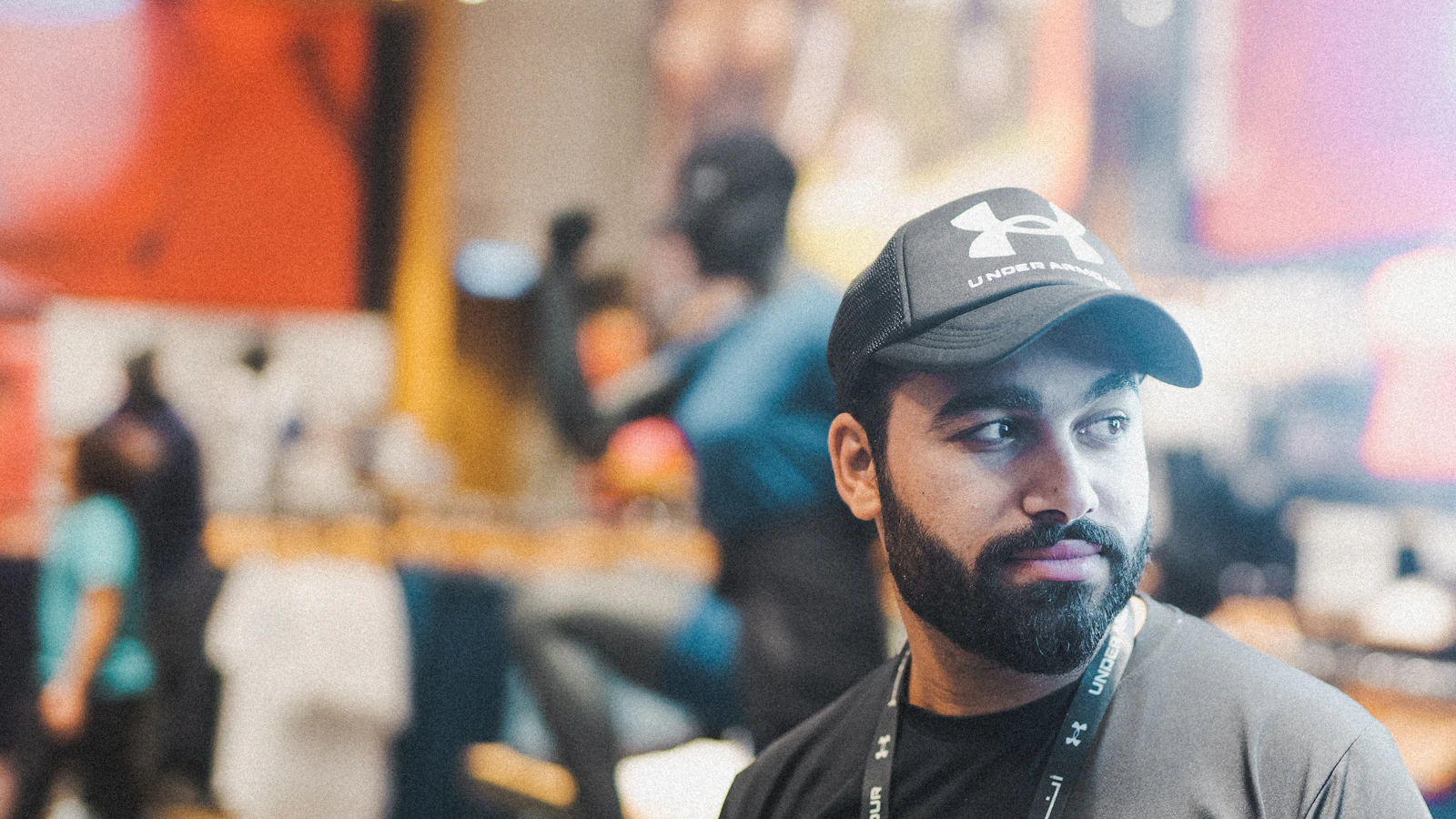
Under Armour announced François Arnaud, star of 'Heated Rivalry,' as a global ambassador for its HeatGear franchise as part of a campaign called 'For When It's Hot.' The move represents a classic brand strategy: pair a celebrity with credibility in lifestyle and entertainment to expand product awareness beyond core athletic audiences.
Why Celebrity Ambassadors Still Work
Celebrity partnerships succeed because they compress trust. François Arnaud already has an audience that watches his content, follows his social media, and cares about his opinion. When he endorses HeatGear, that trust transfers to the product. For a performance apparel brand like Under Armour, an ambassador in entertainment (not just sports) broadens the perception that HeatGear is for anyone who needs comfort in heat, not just gym-goers.
The 'For When It's Hot' campaign angle is intentionally functional. It ties the product to a specific use case and makes the ambassador's recommendation feel practical rather than purely promotional. This matters because consumers tune out ads that feel like pure selling, but they listen when a trusted figure solves a real problem.
How to Evaluate Ambassador Fit for Your Business
Audience overlap: Does the person's followers actually buy what you sell? Arnaud's 'Heated Rivalry' viewers are entertainment-focused but likely active and style-conscious, matching HeatGear's expanded lifestyle positioning.
Reputation alignment: The ambassador's personal brand must reinforce your product category. An actor known for drama/performance content works for performance apparel; it wouldn't work as well for, say, B2B accounting software.
Scale vs. cost: Mega-celebrities like Arnaud drive broad awareness but cost more. Micro-influencers or local experts deliver smaller but more engaged audiences, often at better ROI for regional or niche brands.
Owned-channel amplification: The real value emerges when you own the relationship. Email, your website, and your social accounts are where you convert awareness into sales; the celebrity is the accelerant.
What This Means for Your Brand
If you're considering an ambassador partnership, start with honest audience analysis. Don't chase celebrity for celebrity's sake. Under Armour chose Arnaud because his viewers represent a growth audience for performance apparel: entertainment-engaged, affluent enough to buy premium gear, and active. If your business is local or category-specific, a regional athlete, local personality, or micro-influencer with 5,000 highly engaged followers will outperform a distant celebrity with 100,000 passive ones.
The campaign's strength also lies in simplicity. 'For When It's Hot' is a clear, repeatable message. When paired with Arnaud's face and voice, it sticks. Your ambassador strategy should do the same: narrow focus, tight message alignment, and measurable channels you control (social, email, your site) where you track engagement and convert interest into orders.
How WebKing runs this
We'd evaluate ambassador fit by analyzing audience demographics, engagement rates on their channels, and whether their existing partnerships align with performance/lifestyle categories. We'd then build the campaign around owned channels (email, your site, social) to amplify reach, measure lift in category searches, and track conversion from awareness to purchase.
Why would Under Armour pay a celebrity to promote HeatGear instead of running product ads?
Celebrity ambassadors add social proof and lifestyle credibility that pure product ads can't match. According to Marketing Dive, Arnaud brings 'Heated Rivalry' viewership and fan loyalty, giving HeatGear access to an audience already primed to buy performance apparel. The ambassador's reputation becomes part of the brand story.
How do you know if a celebrity ambassador will actually drive sales?
The best indicator is audience overlap: Does the celebrity's fanbase match your target customer? François Arnaud's viewers likely skew toward drama/entertainment and fitness-conscious consumers, which aligns with HeatGear's performance positioning. You'd measure success through uplift in HeatGear searches, social engagement, and sales during the campaign window.
What makes 'For When It's Hot' a good campaign hook alongside an ambassador?
The tagline is specific and functional (temperature/use case) rather than vague, which pairs well with a celebrity because it tells the audience exactly when to buy. Arnaud's presence makes people remember the message; the message tells them what to actually purchase.
Could a smaller brand do this without a Hollywood actor?
Yes, but the principle stays the same: find someone whose existing audience is already your customer. Micro-influencers or local athletes can deliver better ROI than A-list celebrities if their followers are genuinely interested in your category. Under Armour's choice reflects their scale and budget, not a requirement for all brands.
The Lab is original analysis by WebKing. We summarize and interpret developments from the sources above for industrial, commercial, and small business owners. Figures are reported as published by their sources.