Chipotle's 100-Creator Play Shows What Fresh-Food Storytelling Actually Sells
By letting creators document prep work without scripts, Chipotle proved that authenticity beats polish when you're selling ingredients, not just meals.
WebKing Intelligence Desk//Monitored live
Get my free auditFree, 30 minutes, no pitch deck. You keep the findings either way.
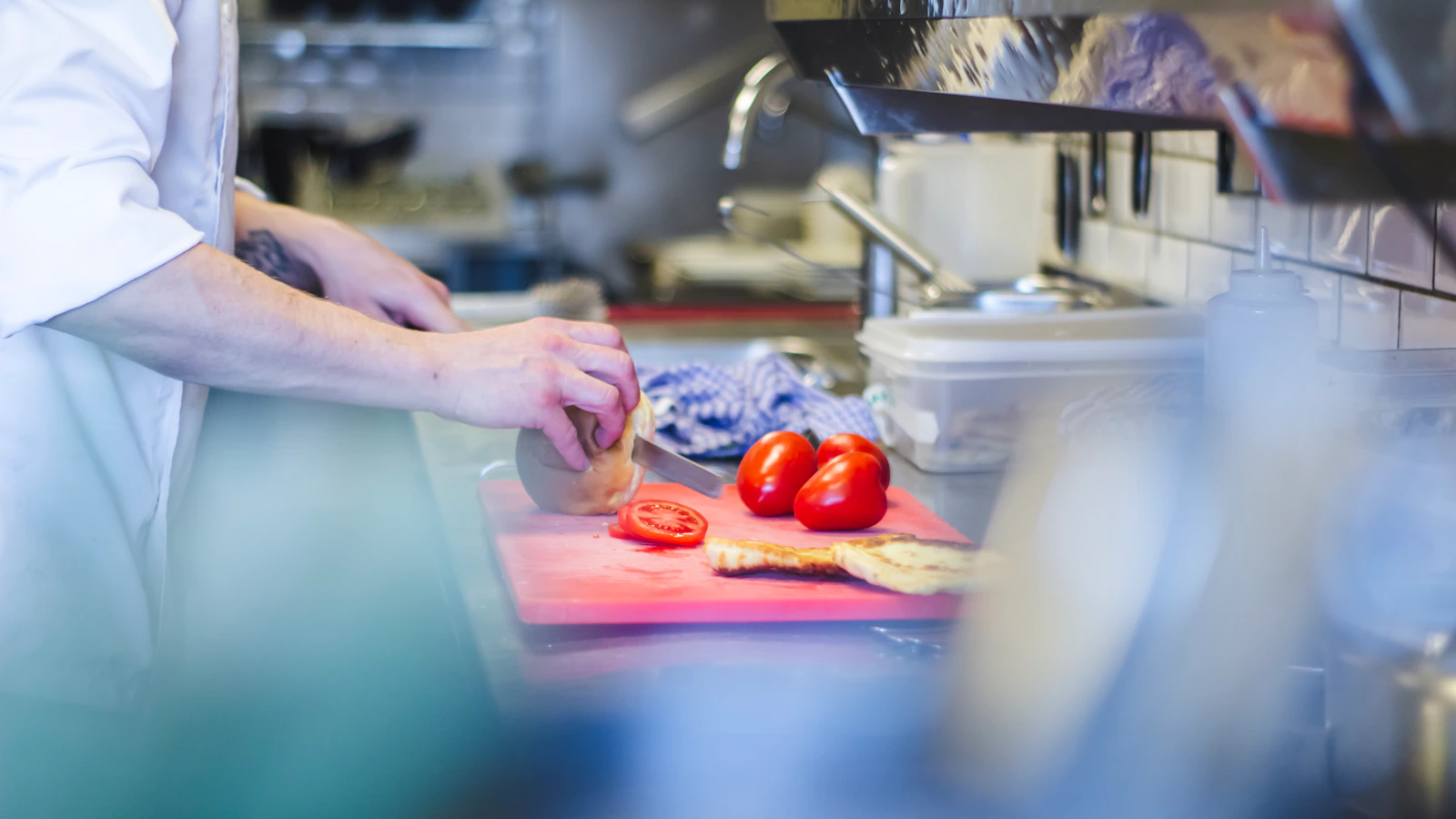
Chipotle just ran a campaign with 100 creators documenting the prep work behind Pollo Asado and Chili Lime Chips, no scripts, no stiff brand voice. The spots ran on TV and across social media, letting real people show the sourcing and cooking process as they saw it. This is not a new tactic, but the scale and the discipline matter. Most food brands still believe a single 30-second spot can prove freshness. Chipotle bet that 100 unscripted angles would work faster.
Why Unscripted Beats Polish When You're Selling Ingredients
A slick ad can show you a beautiful plate. An unscripted creator can show you why it tastes that way. Chipotle's move targets a specific buyer anxiety: "Are these ingredients really fresh, or is this marketing?" When a creator you follow documents the actual prep work, the hand-diced peppers, the timing, the care, you get proof that doesn't feel like proof. You're just watching someone do their job.
This works because creator audiences already trust the creator. That trust transfers to the brand. A 100-creator network means 100 different relationships, 100 different communities, and 100 different ways of telling the same sourcing story. One person's audience might be fitness-focused; another's might be sustainability-minded. Each creator's angle reaches people who might ignore a traditional ad.
The Math of Reaching More People with Less Spend
One celebrity endorsement or one national commercial requires a massive production budget and reaches a mass audience passively. One hundred creators with smaller followings require coordination and brief-writing but reach their audiences actively, people who chose to follow them, who engage with their posts, who share their content. The total reach can be larger, and the cost-per-engaged-person usually drops.
For a restaurant owner or food brand, this means you don't need a TV budget to make prep work visible. You need access to creators, local influencers, micro-influencers, happy customers with engaged followings, and permission to let them show your process. A taco shop in Dallas could brief 5 local voices on its source suppliers and let them film what they see. That's not a national campaign; it's a sourcing story that reaches the neighborhood where you need it.
How to Run This for Your Own Brand
First, identify creators who already align with your sourcing story. For a CPG brand, that might be nutritionists, chefs, or sustainability advocates. For a restaurant, it could be food bloggers, local journalists, or loyal customers with followings. Brief them on the process you want documented, the ingredient prep, the supplier, the timing, but give them creative freedom in how they film and caption it.
Second, ask them to post across their own channels, not through yours. Their followers came for their voice, not your brand's. When they tag your account or product, it's an endorsement, not an ad. That distinction matters to how people perceive the content.
Third, give them permission to show the unglamorous parts. Real kitchens are busy. Real prep work is repetitive. Real sourcing involves logistics that don't photograph well. The more documentary it feels, the more trustworthy it reads.
The Proof Multiplier
When Chipotle deployed 100 creators, it created 100 pieces of evidence that Pollo Asado and Chili Lime Chips are real food with real sourcing behind them. One commercial might reach 10 million people passively. One hundred unscripted creator posts might reach 2 to 5 million people actively, and those people are far more likely to believe what they see because someone they trust showed them.
For a small business or regional brand, the principle is identical. You don't need to reach everybody. You need to reach your customer base and prove one thing better than your competitor does. If you can get 5 to 10 creators to document your supply chain or prep work, you've created a proof network that scales your credibility without scaling your production budget.
How WebKing runs this
We identify and brief creator cohorts on your sourcing and prep workflows, then distribute their unscripted takes across social and broadcast. This gives you documentary-style proof without the production cost, and each creator's audience sees the message through a voice they already trust.
Why would a big brand like Chipotle use 100 creators instead of one expensive commercial?
Because 100 creators reach 100 different audience segments. Each creator's followers trust them more than a brand's official ad, and unscripted content about prep work feels like proof rather than marketing. According to Marketing Dive, Chipotle documented the process behind new menu items this way, letting authenticity do the selling.
What's the difference between letting creators go unscripted versus giving them talking points?
Unscripted creators show the messy reality of your process, the care, the ingredients, the timing. Talking points feel like lines. When Chipotle had creators document Pollo Asado prep without scripts, viewers saw what actually happens in the kitchen, not what marketing wanted them to see.
Can a small food business or restaurant run this kind of strategy?
Yes, but scaled down. You don't need 100 creators; you need 5 to 10 local voices or micro-influencers who already eat at or know your restaurant, and you give them permission to film and post your sourcing story. The principle is the same: authenticity scales faster than budget.
How do you measure whether creator content about your ingredients actually drives sales?
Track mentions and hashtags across posts, watch for traffic spikes to your menu or ordering pages during campaign windows, and survey customers on where they heard about new items. Creator posts also generate user-generated content as followers tag their friends, which compounds reach without extra spend.
The Lab is original analysis by WebKing. We summarize and interpret developments from the sources above for industrial, commercial, and small business owners. Figures are reported as published by their sources.