Google's New Review Snippet Rule: Disclosure Matters for Local Search Rankings
Google tightened review snippet guidelines to ban fake and undisclosed incentivized reviews in structured data. Here's what it means for your local visibility.
WebKing Intelligence Desk//Monitored live
Get my free auditFree, 30 minutes, no pitch deck. You keep the findings either way.
Google published a new guideline for review snippet structured data on July 24, 2026: don't include fake or undisclosed incentivized reviews in your markup or on your page. The rule is straightforward, but its impact on local search visibility is significant.
What Are Review Snippets and Why They Matter
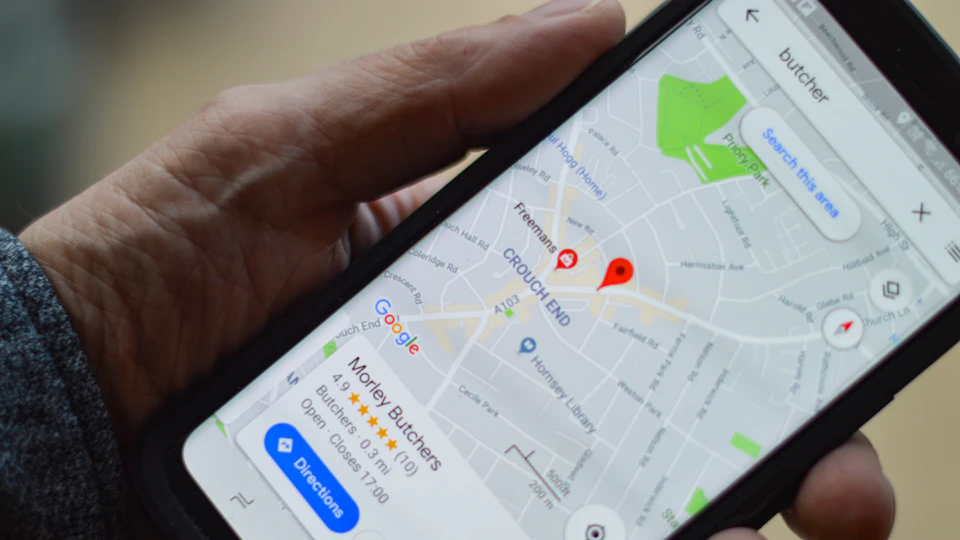
A review snippet is a short excerpt or combined rating that appears in Google rich results and Knowledge Panels. Instead of showing raw review text, Google pulls and displays an average rating across multiple reviewers. For a local business, a strong review snippet in search results is a major draw for potential customers.
The New Guideline: Full Transparency Required
Google's update explicitly prohibits two practices: fake reviews and undisclosed incentivized reviews. If you offer a discount, gift card, or any incentive in exchange for a review, that incentive must be clearly labeled on your page and correctly marked in your structured data. Hiding it violates the guideline.
How This Affects Your Local Business
Review snippets directly influence click-through rates from local search results.
Violations of this guideline can trigger manual action or algorithmic penalties that degrade your Knowledge Panel visibility.
Fake reviews or undisclosed incentives, once discovered, erode customer trust and invite negative word-of-mouth.
What You Need to Do
Start by auditing your current review collection strategy. If you offer incentives, confirm that every incentivized review is labeled transparently on your site and that your structured data markup reflects that disclosure. Remove any fake reviews entirely. Update your review collection process to build disclosure into the workflow from day one.
Review snippet structured data markup is technical, but the compliance step is not: transparency. As long as you clearly disclose incentives and include only genuine reviews, you'll pass Google's check and keep your local search visibility intact.
Google updated the review snippet structured data guidelines with a new guideline that reads, 'Don't include fake or undisclosed incentivized reviews on your page or in your structured data markup.'
Search Engine Land, July 24, 2026
How WebKing runs this
We audit your review collection, verify disclosure language, and ensure your review snippet markup passes Google's inspection so you rank clean in local results and Knowledge Panels.
What exactly is a review snippet in Google search?
A review snippet is a short excerpt or average rating pulled from reviews and shown in rich results or your Google Knowledge Panel. It aggregates ratings from multiple reviewers and appears directly in search results, influencing click-through rates.
Can I offer incentives for reviews as long as I disclose them?
Yes, incentivized reviews are allowed if you clearly disclose the incentive on your page and in your review snippet markup. Undisclosed incentives violate Google's new guideline and can trigger ranking penalties.
Where do review snippets appear and why do they matter?
Review snippets show up in Google rich results and Knowledge Panels in local search. They directly influence whether customers click your result, making them critical for foot traffic and local visibility.
If I've been collecting incentivized reviews without disclosure, what should I do?
Audit your reviews immediately, remove fake reviews entirely, add clear disclosure language to any remaining incentivized reviews, and update your structured data markup to reflect the policy. Transparency now prevents future penalties.
The Lab is original analysis by WebKing. We summarize and interpret developments from the sources above for industrial, commercial, and small business owners. Figures are reported as published by their sources.