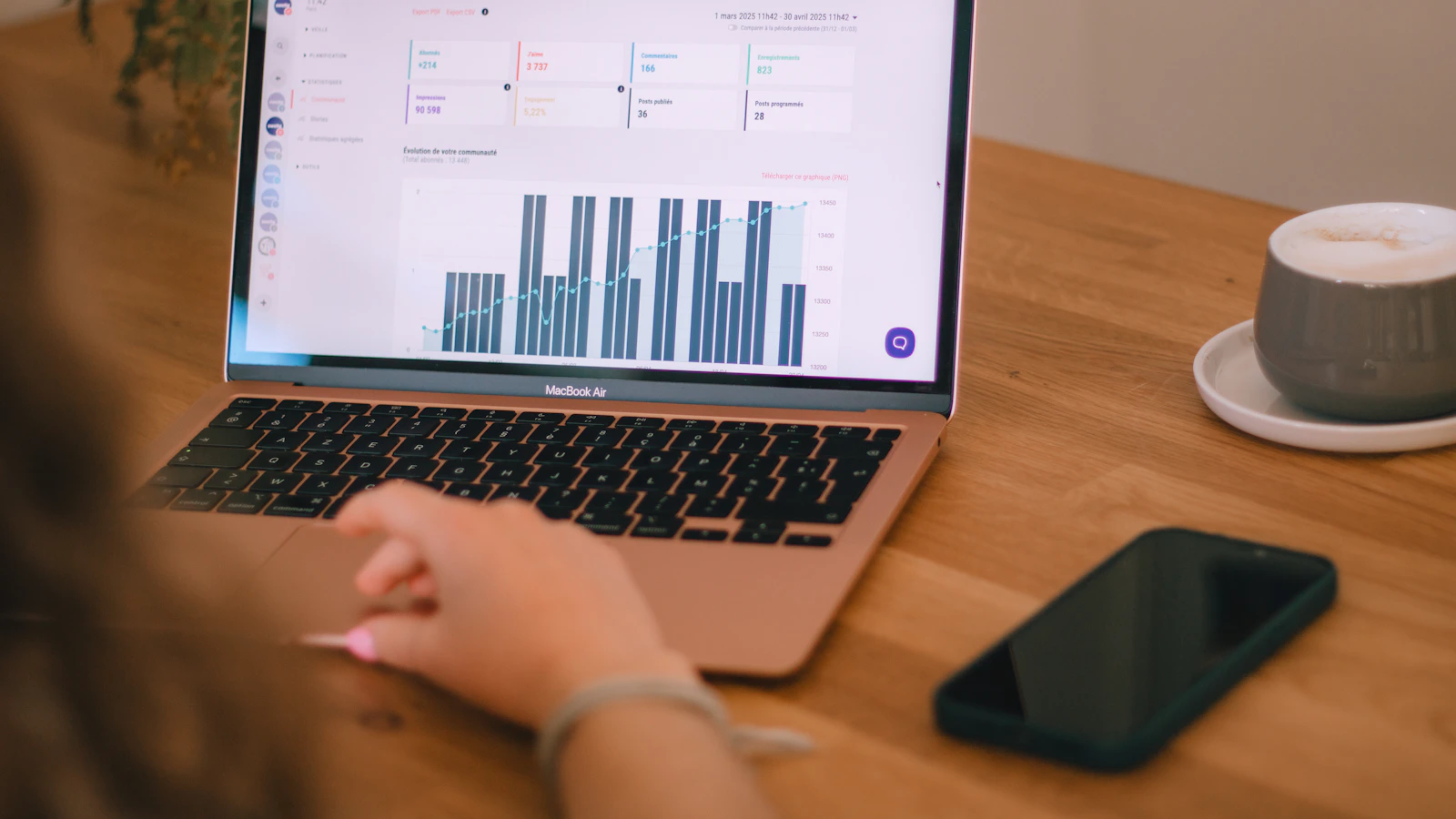
A landing page makeover feels productive. But conversion optimization is about measuring which visitors actually convert, then running controlled tests to move that needle. Here's how to separate signal from noise.
WebKing Intelligence Desk//Monitored live
Get my free auditFree, 30 minutes, no pitch deck. You keep the findings either way.
Every business owner wants more conversions. So most start by redesigning the landing page. New colors. Sharper copy. A bolder call to action. It feels productive. It looks fresh. But a month later, conversions didn't move.
The disconnect is simple: conversion rate optimization isn't about how the page looks. It's about the percentage of visitors who complete your intended action, and where they stop completing it.
Funnel Analysis Finds the Leak
When a visitor lands on your page, they encounter a series of steps: they read the headline, scroll to the offer, click the button, fill out the form, submit. At each step, some visitors drop off. That's normal. But if 30 percent leave after the headline and only 2 percent complete the form, you've found your problem.
Funnel analysis tracks the percentage of visitors who move through each stage. This tells you exactly where the leak is, not where you think it is. Most owners guess. They assume a flashy redesign will fix it. Measurement says otherwise.
Controlled Testing Proves What Works
Once you know where visitors drop off, you test a specific change in isolation. Change only the headline. Run it for a week. Measure the result. If more visitors advance to step two, that headline works. If not, try another. Same for the call-to-action button, the form fields, the offer itself.
This is conversion rate optimization: systematic testing against a baseline, not intuition against a blank canvas. Each test tells you something true about your audience's behavior. After five or ten tests, you've built a page that actually converts, not one that looks better.
Every landing page will have drop-off points. That's business. But when you map your funnel and run controlled tests on the leakiest stages, you turn guesswork into evidence. The page may never look like the design award winner you imagined. It will, however, convert more visitors into customers, and that's the only metric that matters.
How WebKing runs this
We analyze your funnel to pinpoint where visitors abandon, then run controlled tests on the specific elements holding back conversions. The result is a page optimized for your actual customer behavior, not design trends.
Should I redesign my landing page to improve conversions?
Not necessarily. Visual redesigns feel productive but don't guarantee more conversions. Instead, run controlled tests on specific elements, headlines, calls to action, form fields, to see what actually moves the needle.
How do I know which part of my landing page is costing me sales?
Funnel analysis shows you exactly where visitors drop off. By tracking the percentage of visitors who complete each step, you identify the real bottleneck instead of guessing.
It's the process of improving the percentage of visitors who complete your intended action, whether that's a purchase, signup, or phone call. It's measurement-driven, not design-driven.
Why is controlled testing better than a full redesign?
Controlled tests isolate one variable at a time, so you know exactly what caused the change in conversions. A full redesign changes everything and leaves you guessing which element actually worked.
The Lab is original analysis by WebKing. We summarize and interpret developments from the sources above for industrial, commercial, and small business owners. Figures are reported as published by their sources.