


Ecommerce
Your next customer might buy from you without ever visiting your site
ChatGPT can now complete a purchase inside the chat. The buyer never lands on your homepage, which means your product data is doing the selling now.
4 min readRead
WebKing / Craft
The portal, the dispatch board, the quoting, the invoicing, and the one screen where you finally see all of it. Then the site, the ads and the search work, once your operation can carry the volume. Tell us what is eating your week and you get a free 30-minute read on it.
Every move gets judged on one bar: does it actually move the number that matters. If the answer is no, it ships back to the bench.
We build it, then we grow it
Software and site first. Ads and search once the operation can carry it.
One plan
Software, site, ads and search are planned together.
Code assigned on full payment
The final custom code written for you is assigned to you under the WebKing terms.
Checked before it ships
Performance and design checks run before a change goes live.
Houston, est. 1999 / Software, site, ads and search planned together
Houston, Spring, The Woodlands & Conroe, Texas / Clients nationwide
WebKing / Clients
Manufacturers, contractors, oilfield, hospitality, and professional services. Every mark below is a business we build and run marketing for.
















































What we do
Six things we do, in the order they actually run. Not sure which one you need? Most people aren't, and that's what the free audit's for.
6 disciplines
Custom Software + AI · Website Build & Design · Google Ads · AI SEO + AEO · Conversion Tuning · Social Media
One plan
Strategy, ads, search, and the site are planned together.
Revenue-locked
We kill vanity metrics. Booked revenue is the only score.
01 / 06
Custom Software + AI
The software your business actually runs on. Client portals, dispatch and scheduling boards, quoting, invoicing, inventory, and AI agents that handle intake and follow-up. Wired into the books you already keep. The final custom code is assigned to you on full payment.
Thirty minutes, no charge. We look at what you've got and tell you where the money's leaking, whether you hire us or not.
Why pick us
TOP 3%
Google Ads
#1
AI SEO market
EST. 1999
Established in Houston
TOP 3%
Google Ads
#1
AI SEO
EST. 1999
Houston
We don't optimize for vanity metrics. We optimize for revenue and market share. If a tactic doesn't move money, we kill it.
Strategy, websites, ads, SEO, and conversion testing from one agency, so there is one place to call.
WebKing holds a Top 3% Google Ads standing.
Marketing for your industry
Give the right people a reason to choose your business. Explore how WebKing can help you get found, show what sets you apart, and turn interest into inquiries.


Industrial
Show buyers what you do, which requirements you meet, and how to request a quote, with a website and search strategy built around your capabilities.
Explore industrial marketingPut your capabilities in front of the right buyers.
A plant engineer doesn't search for a partner. He searches for the spec he'll be audited against, and he buys from whoever wrote that number down.
Who signs: Plant engineers, maintenance managers and the reliability lead who signs the purchase order.
What that buyer types into Google:
What you end up with:
Get your free audit, see the full industrial page, or call (832) 830-6474.
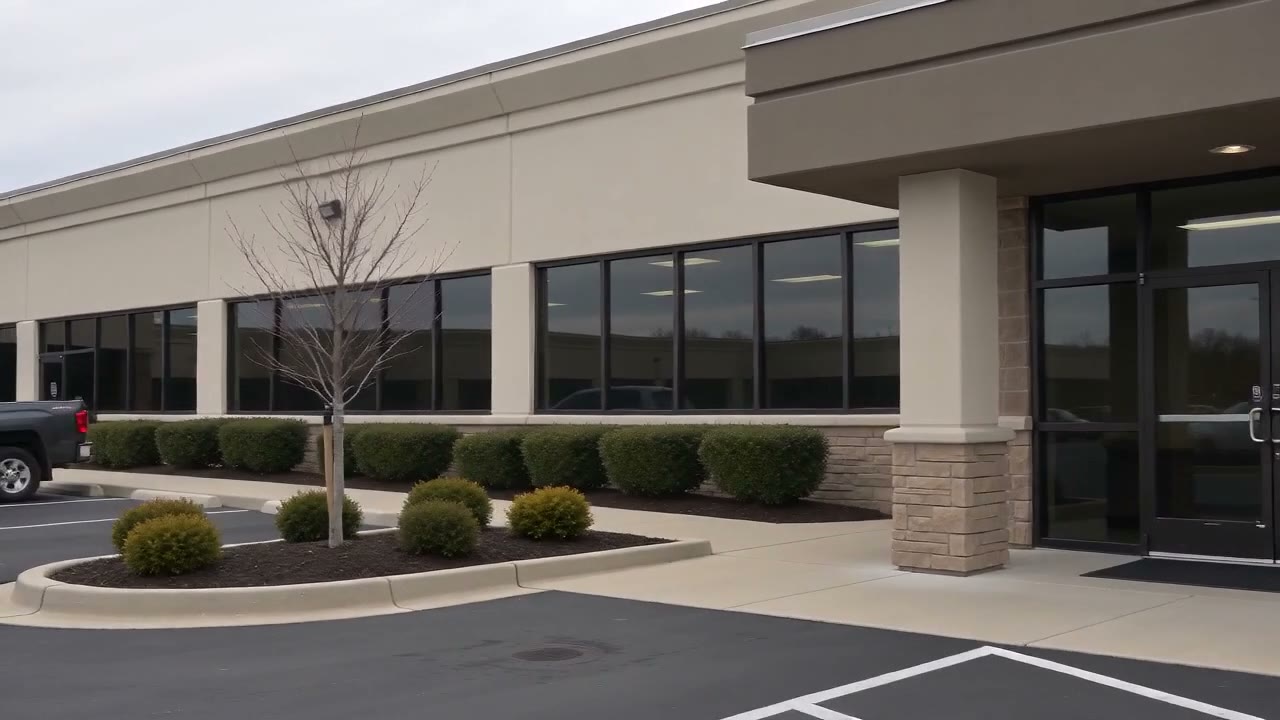
Commercial
Present your services, project experience, and service areas clearly, so owners and property managers can evaluate your business and request a proposal.
Explore commercial marketingGive property decision makers a reason to call.
A property manager with three bids to collect gives each firm about ten seconds. He's not reading. He's deciding whether you're worth a call.
Who signs: Property managers, facility directors and the asset manager above them.
What that buyer types into Google:
What you end up with:
Get your free audit, see the full commercial page, or call (832) 830-6474.

Manufacturing
Make your processes, materials, and production capabilities easy to find and evaluate, with a clear path from product research to a quote request.
Explore manufacturing marketingHelp buyers find their next manufacturing supplier.
Nobody sources a supplier by typing "quality manufacturer". He types the process, the tolerance and the material, and the shortlist builds itself from whoever published those words.
Who signs: Sourcing engineers, supply chain managers and the buyer running an RFQ.
What that buyer types into Google:
What you end up with:
Get your free audit, see the full manufacturing page, or call (832) 830-6474.

Warehousing
Showcase your locations, capacity, and handling capabilities so businesses can assess your operation and ask about availability.
Explore warehousing marketingConnect with businesses that need your space and services.
Somebody who needs space is working to a date. He searches, he shortlists three, he calls. His deadline doesn't wait for you to become findable.
Who signs: Logistics managers, operations directors and site selectors.
What that buyer types into Google:
What you end up with:
Get your free audit, see the full warehousing page, or call (832) 830-6474.

Distribution
Organize your brands, product lines, and service capabilities so buyers can find what they need and reach your sales team.
Explore distribution marketingMake it easier to find your products, and buy from you.
A buyer looking for a part number doesn't search for a distributor. He searches for the part, and the distributor who put that part on a page gets the call.
Who signs: Purchasing agents, MRO buyers and the maintenance lead who needs it this week.
What that buyer types into Google:
What you end up with:
Get your free audit, see the full distribution page, or call (832) 830-6474.
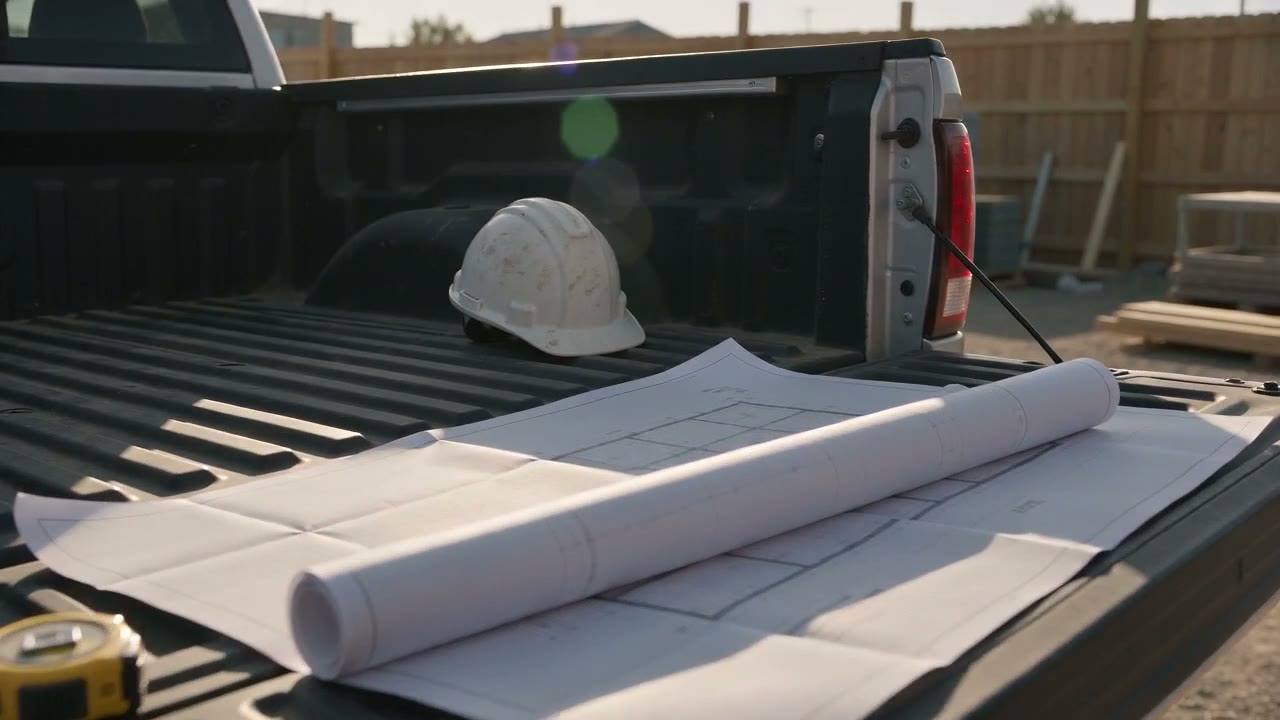
Contractors
Put your work, service areas, and customer reviews in front of property owners looking for a contractor, with a straightforward way to request an estimate.
Explore contractor marketingBuild a stronger source of direct project inquiries.
You pay a lead platform, and so do the four contractors who got the same lead. The one who priced right is the one the customer found directly.
Who signs: Owners, estimators and the general contractor awarding the sub.
What that buyer types into Google:
What you end up with:
Get your free audit, see the full contractors page, or call (832) 830-6474.

Fabrication
Show buyers the materials, processes, and finished work you handle, and make it easy to send project details for a quote.
Explore fabrication marketingTurn your capabilities into quote conversations.
"Custom fabrication" is what every shop calls itself and almost nobody types. The buyer types the material, the process and the code, and that's the search worth being in.
Who signs: Project engineers, EPC buyers and the plant lead sourcing a weldment.
What that buyer types into Google:
What you end up with:
Get your free audit, see the full fabrication page, or call (832) 830-6474.

Roofing
Bring your roofing services, completed projects, and customer reviews together with local search and a clear path to request an inspection.
Explore roofing marketingHelp local homeowners choose your roofing company.
After a hailstorm the phone belongs to whoever already ranks. You can't build that position in the week it matters, which is why the work happens before the weather does.
Who signs: Homeowners with a leak and property managers with a claim.
What that buyer types into Google:
What you end up with:
Get your free audit, see the full roofing page, or call (832) 830-6474.

Home Services
Help nearby customers find your services, see why they can trust you, and request an appointment from their phone.
Explore home services marketingMake your business the easy next call.
An emergency search is not a comparison. It's a person standing in water picking whoever comes up first and answers the phone. Second place gets nothing.
Who signs: Homeowners with an emergency, and the property manager who keeps a list.
What that buyer types into Google:
What you end up with:
Get your free audit, see the full home services page, or call (832) 830-6474.

Healthcare
Make your services, providers, and locations easy to understand, with clear information and a straightforward appointment request.
Explore healthcare marketingHelp prospective patients take the next step.
A new patient is not comparing credentials. She's looking at how close you are, what other people said, and whether she can book without calling.
Who signs: Practice owners, office managers and the marketing lead at a multi-site group.
What that buyer types into Google:
What you end up with:
Get your free audit, see the full healthcare page, or call (832) 830-6474.
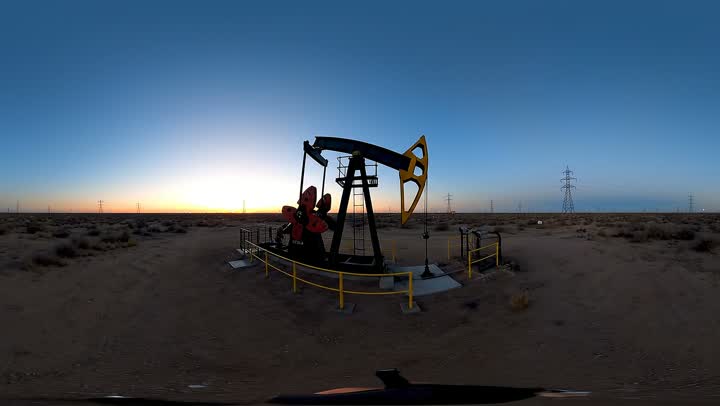
Energy
Present your technical capabilities, project experience, and qualifications clearly, helping procurement and project teams evaluate your business and contact you.
Explore energy marketingShow the right buyers what your company can deliver.
Nobody in this business buys from a brochure. A drilling engineer picks a tool by its published specification, and a supplier whose numbers are not findable is not on the list.
Who signs: Drilling engineers, procurement leads and the operations manager on a rig program.
What that buyer types into Google:
What you end up with:
Get your free audit, see the full energy page, or call (832) 830-6474.

Hospitality
Showcase the experience, answer the questions that matter, and make the next step clear, whether that is a reservation, a booking, or an event inquiry.
Explore hospitality marketingGive guests a reason to choose your business.
Somebody booking a venue or picking dinner decides on a phone, from photos and reviews, days before they call. What's on that screen is the whole pitch.
Who signs: Owners, event coordinators and the person planning a wedding or a company party.
What that buyer types into Google:
What you end up with:
Get your free audit, see the full hospitality page, or call (832) 830-6474.
Tell us who you want to reach and what you want to improve. We'll discuss where WebKing can help.
Who we work with
Construction, manufacturing, hospitality, professional services, and more.
Construction
Roofing, flooring, contractors
Manufacturing
Industrial, B2B equipment
Hospitality
Events, food and beverage
Professional services
Legal, dental, finance
Precise digital execution across high-stakes industrial and commercial sectors.
Stop wasting traffic
Free 30-minute audit. We show you what's broken on your site, ads, and SEO.
Inside The Lab
We test every new move across Google Ads, AI search, web and app development, social, and ecommerce, then run the winners for our clients. A fresh read on what actually works, updated continuously.
Step by step
Five steps. The timeline and the price are agreed in writing before work starts.
Free audit
30 MIN
The first step
Reporting
PLAIN
Numbers you can read
Plan
ONE
Strategy, ads, SEO, dev
AUDIT
30M
The first step
REPORTS
PLAIN
Numbers you can read
PLAN
ONE
Strategy, ads, SEO, dev
We map your site, ads, and SEO against your closest competitors.
You get a written report of what's losing you money, ranked by revenue impact.

What lands in your inbox
We agree on the moves that will matter most, in priority order.
Budgets, timelines, and success metrics signed off before any work starts.

What you approve before work starts
Pages, ad campaigns, schema, and tracking get built or rebuilt end to end.
You see preview links as the build goes. Nothing ships without your sign-off.

What you see along the way
Live deployment with reporting set up so you can watch leads come in.

What you get on go-live day
Regular reviews. We double down on what works and cut what doesn’t.
The audit, strategy, build cycle repeats against fresh data.

What happens in each review
Book a free audit. We get to work the same week.
Local marketing, Texas-wide
Google Ads, AI SEO, web design, conversion, social, and custom software, tuned to your neighborhood across Greater Houston and Central Texas. Pick your town, or call (832) 830-6474 for a free 30-minute audit.

Harris County
All Houston marketingHarris County
All Spring marketingMontgomery County
All The Woodlands marketingMontgomery County
All Conroe marketingHarris County
All Tomball marketingHarris County
All Cypress marketingHarris County
All Kingwood marketingHarris County
All Humble marketingMontgomery County
All Magnolia marketingHarris, Fort Bend, and Waller Counties
All Katy marketingBrazoria and Harris Counties
All Pearland marketingFort Bend County
All Sugar Land marketingHarris County
All Pasadena marketingHarris and Chambers Counties
All Baytown marketingGalveston County
All League City marketingFort Bend and Harris Counties
All Missouri City marketingFort Bend County
All Rosenberg marketingBrazoria County
All Angleton marketingAustin metro, remote
Every Texas metro and business district we cover, on one map, with a page for each district rather than one page for the whole city.
Texas by district marketingAustin metro, remote
Serving the greater Austin and Central Texas area remotely from Houston, Texas.
Central Texas marketingThe fast answers people look up before they call. Want the same depth for your city or neighborhood? It is on every local page, and one free audit covers it all.
WebKing is a Houston digital marketing agency founded in 1999. WebKing runs Google Ads, AI SEO, high-converting websites, and custom apps, so your ads, site, and search all pull in the same direction instead of being split across separate vendors. Start with a free 30-minute audit at webking.com.
Free audit
Find out what is costing you customers: where you rank against the firms taking your calls, what ChatGPT and Google AI say about your business today, and the ad spend leaking every month. You keep the findings either way.